
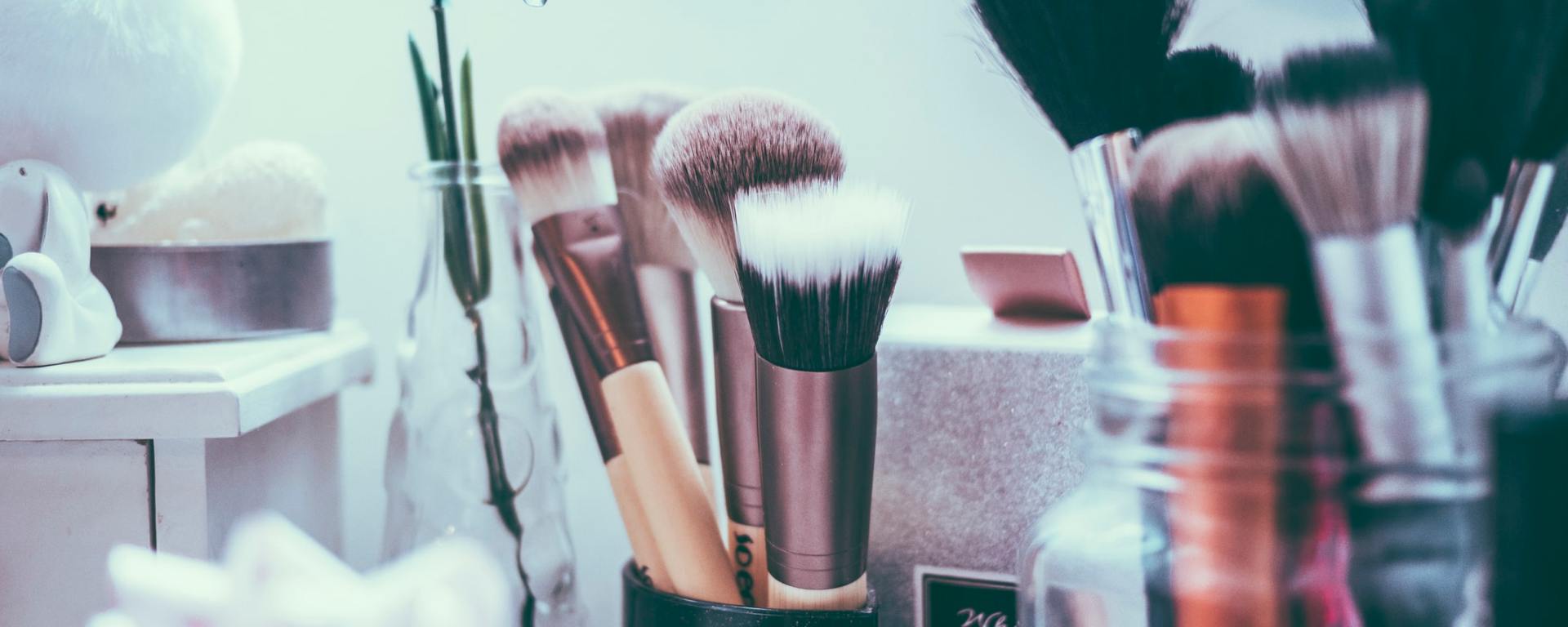
On my way home a few weeks ago, I passed a neighbor who was out in her garden. She spends most of her time sequestered in her house, yet her face is always plastered in makeup. “Hi Frances!” she cooed. “How are you?”
“Good, how are you,” I muttered and kept walking, even though I felt a little guilty, because that old woman is lonely. Then I wondered why she wears so much makeup if she’s never doing anything. Is it because it makes her happy, or because it makes her husband, who seems too old to utter a coherent sentence, happy? Does she wear it because she likes to feel pretty, or out of some patriarchal idea of subservience? And even if the choice to wear so much makeup is entirely her own, was she influenced by antiquated beauty standards? Does she really have agency?
Then again, if she’s content with her choices does it matter what her motivations are?
These questions are essential to 21st century feminism. One of feminism’s greatest flaws is that often self-described “woke” feminists denigrate other women for their appearance. Women who dress modestly are told they should let loose more, and women who prefer risque attire are told they’re dressing that way to please men. It’s the slut or prude paradigm, echoed throughout society, even in supposedly accepting circles.
According to a study by the Renfrew Center Foundation, 20% of women and girls ages 8-18 who wear makeup experience a decrease in self-esteem and a feeling of vulnerability when they don’t wear makeup. Many argue that women who wear makeup have been indoctrinated by the patriarchy.
But makeup-shaming is just as toxic and pervasive as shaming women for not wearing makeup. A popular joke states that you should take a girl swimming on the first date to see what she looks like once her makeup washes off. Maybe the men who make these sexist, demeaning jokes envy the freedom women have to experiment with cosmetics without their sexual orientation being labeled.
Girls and women have responded to makeup-shaming by posting selfies on social media in which half of their face is made up and half is not to demonstrate that for them, wearing makeup isn’t a manifestation of insecurity. It’s just fun. It’s an art form. It’s an exploration of identity. Makeup should and can be about creativity, not objectification. In the words of blogger Michelle Elman, “Body positive women wear makeup all the time. The difference is that {they} aren’t reliant on wearing it.”
So if you wear makeup solely to please the men around you, if your self-worth depends on it, then you’re complicit in patriarchy. But women and girls bear so many burdens every day that this shouldn’t have to be one. If we reclaim makeup and resist the stigma surrounding it, lifting up both women who wear it and women who don’t, we’re not succumbing to patriarchy, we’re fighting it.
 Vidette