
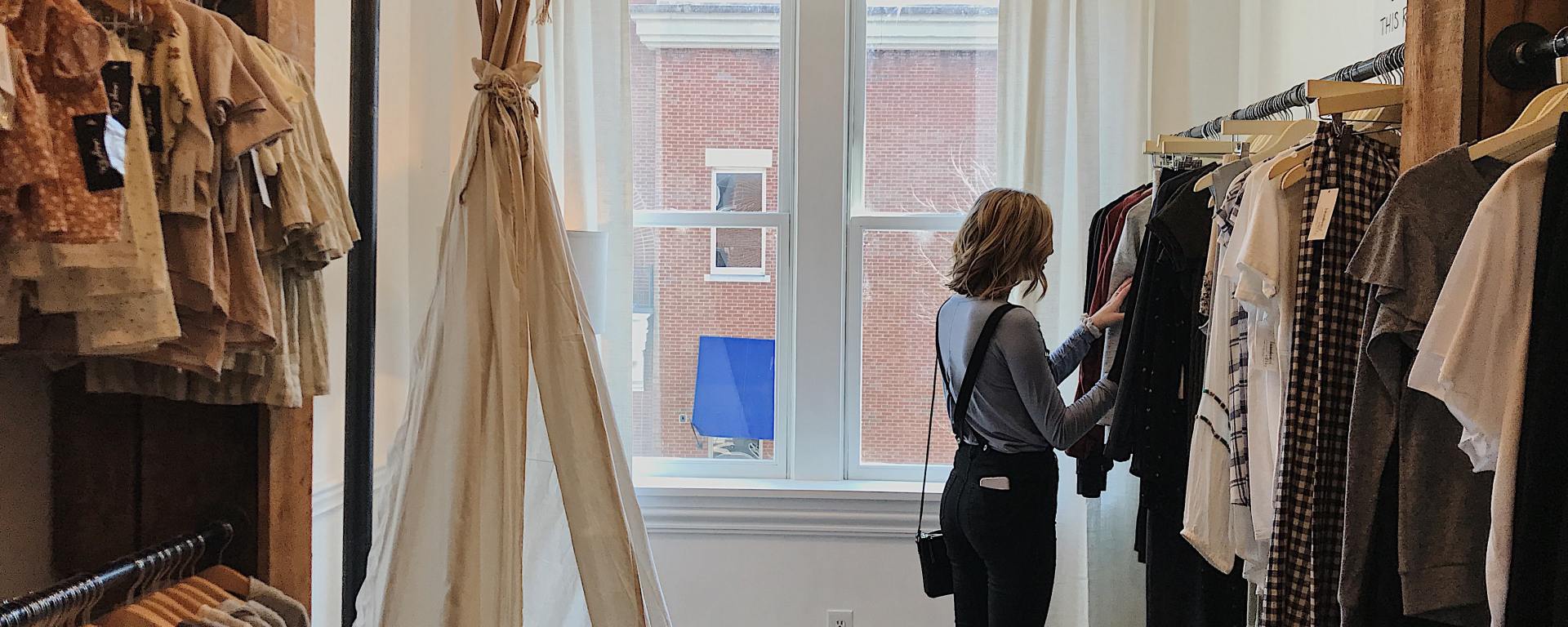
Have you ever found the most amazing winter jacket at a thrift store? Have you ever taken the time to consider the impact of that action? You may have taken a jacket away from someone in need, but you also could have prevented it from going to the landfill. Thrifting has become a trend for many, but others rely on it to survive. The argument is that thrifting causes more problems than solves. They claim that thrifting has become gentrified and takes affordable clothing away from low-income people
Thrifting in recent years has become popular among communities of higher incomes. Teens in both the upper and middle classes have taken a liking to the activity to express themselves with unique clothing and a way to shop more ethically and sustainably. Thrifting is a great way to dress in stylish clothing without supporting fast fashion.
Fast fashion is the term used to describe the fashion companies that use cheap labor and materials to cut prices and rapid production to keep up with the fast-paced, always-changing fashion industry. Brands like Zara, Urban Outfitters, H&M, and Forever 21 are examples of fast fashion companies. Fast fashion brands treat their garment workers and the environment horrible.
Fast fashion is one of the largest polluters in the whole world. According to Nature.com, the fast fashion industry uses 79 trillion liters of water each year, is responsible for 20% of the water pollution, and 35% of microplastic pollution(190,000 tons per year). Thrifting is a great way to shop sustainably, and it is accessible for everyone. Ethical and sustainable brands can be quite expensive, and creating new products is not as sustainable as buying clothes that are already produced. It is much better to limit the creation of new garments, whether they are sustainable or not, so shopping second-hand helps end the production of garments.
Thrifting is a great way that people can shop consciously and save money. There are a few trade-offs and considerations that need to be made when thrifting. Mainstream commercial thrift stores like Salvation Army, Goodwill, and Community Aid tend to put making money first. Instead of blaming individuals for the rise in prices, blame the companies that want to make a pretty penny. Inflation, increased taxes, increased rent for the thrift stores, and other expenses contribute to the increase of prices.
When it comes to thrift stores’ gentrification, like price jumps in the last ten years and the lack of essential clothing, the argument that thrift stores are being gentrified is a shaky one. I am not denying that thrifting has become more mainstream and trendy, and I am not dismissing the claims that thrifting is extremely important in specific communities. I am also not excusing the stealing of essential items from thrift stores. I am merely saying that thrift stores have an abundance of clothing in their backrooms. There is no limit to the supply of pre-worn clothing as long as the fast fashion industry is still around.
So the claim that thrifting is taking away clothing from people in need is simply not true. Millions of tons of clothing end up in the landfill each year, and thrift stores sell what they cannot sell to poorer developing countries. This poorly affects the local textile and garment workers in those countries and takes away much needed jobs.
It is crucial to consider the impact of what you buy when you go thrifting. For example, do not purchase winter coats or cold-weather clothing before the cold months because many parents and people, in general, rely on finding affordable winter clothing. Those pieces are also not donated very often, which makes them harder to find. If you can afford to buy a new coat, buy a new coat and leave the one at Salvation Army for someone who can not buy a brand new coat. Also, when you are done with thrifted clothing, redonate it, don’t throw it away.
The most important part of thrifting responsibly is to remember to be kind while shopping, buy basics and other essentials from a sustainable brand you can afford or another brand you can afford. Remember that many people rely on the store you are shopping at. You can also shop at higher priced vintage stores to cut your impact, but allowing essentials to remain stocked in thrift stores.
Photo by Cam Morin on Unsplash
 Vidette