
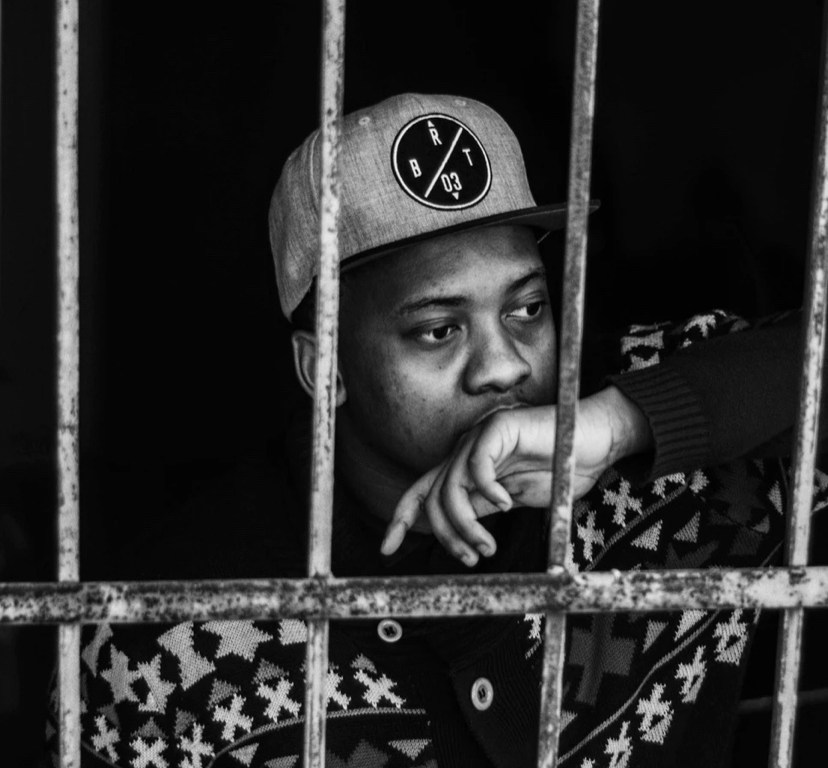
As a teenager, Brandon Bernard fell in with the wrong crowd, and at 18, he was an accomplice in the murder of two youth ministers, Todd and Stacey Bagley, setting fire to their car and possibly killing Stacey. Brandon’s age made him eligible for the death penalty, and he remained in a 6-by-8 foot cell on death row for 23 years, praying, crocheting, and playing guitar. The prosecutor who put him on death row and five of the nine surviving jurors who voted for death advocated for clemency in the weeks before his death. The federal government executed Brandon Bernard on Thursday, December 10th. He never got to hug his daughter.
The United States is the richest and most powerful country in the world. We’re also the one of only three developed nations that maintain capital punishment. Coincidence? Not at all. The correlation is blatant. As our wealth and our corporate greed accelerate, so does the casual commodification of human life. If we proclaim to be a civilized society and excoriate the murder of human beings, yet we murder the murderer, then we don’t see those who’ve committed crimes as human, and we therefore consider them disposable. We sacrifice compassion, morals, and truth for profit.
Brandon, a kind, remorseful man who was not a threat to anyone, did not only deserve to survive. He deserved to be released from prison. His murder makes a strong case for prison abolition.
Yes, when I say abolition, I mean abolition: a complete and total elimination of all prisons. But before you dismiss this vision as a fringe pipe dream, hear me out. First of all, incarceration doesn’t work. 76% of released inmates go back to jail in fewer than five years. It’s absolutely possible to create an equitable and safe society without incarceration. As Americans, one of our most cherished ideals is that everyone has the capacity to grow and change, so why not extend this faith in our proclivity for evolution to those in prison?
According to the American Action Forum, 2.2 million Americans are currently in prison. Approximately half of these prisoners are in for non-violent drug offenses or inability to pay fines and debts, or they’re being held pre-trial because they can’t afford to pay bail, indicating our criminalization of poverty and addiction. ⅔ of those in prison are Black or Latino. Over 12,000 prisoners serving life sentences were convicted of their crimes as minors. Most incarcerated women have suffered physical or sexual abuse. Laws that target the homeless, such as bans on sleeping in public or begging, have resulted in the arrest of over a quarter of homeless individuals. And according to the Brookings Institution, only 13% of men in prison made more than $15,000 a year.
This statistic is particularly telling. It shows that people generally don’t want to commit crime. In fact, research demonstrates that it’s a tendency we age out of. But extreme poverty, which disproportionately affects people of color, propels its victims, especially those under 25 whose brains are still developing, into desperation, which leads to crime, because those on the margins of society have nothing to lose.
So how do we make prisons a thing of the past? Baby step reforms are not the answer. We need a massive overhaul of our amoral capitalist system. First, we need to federally legalize marijuana and decriminalize hard drugs, adopting a system like Oregon’s in which those convicted of possession of all hard drugs are sent to a mandatory rehab program. Then, we need to redirect the $31,000 per year it costs to keep an inmate in prison to social programs. By defunding the Pentagon and the police, and imposing a 70% tax rate on the richest Americans, as well as an estate tax on the wealthiest 0.1%, we could fund universal free health care, including mental health services, finance free college and trade school education, and raise the federal minimum wage to $15 an hour. If everyone’s basic needs are met, it will drastically reduce crime. And holding the richest Americans accountable through these measures will help eradicate white-collar crime as well.
But even with these radical transformations, crime could persist. Those few who perpetrate it should be sent to rehabilitation facilities, where they can receive therapy, addiction treatment, and job training that can help them become productive members of society.
If we eradicate prisons and invest in progressive economic policy transformations, we can create an America where every human being is treated with dignity, deserving of prosperity, care, justice, and kindness.
 Vidette