
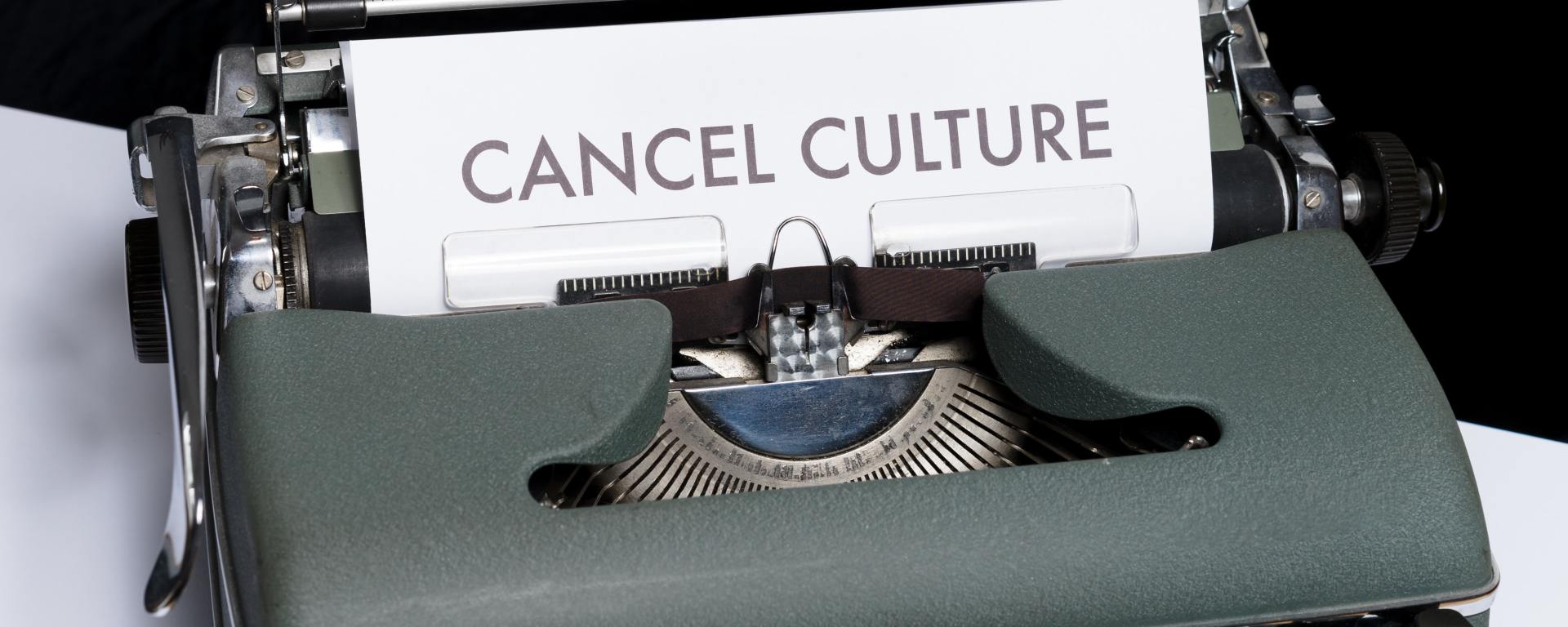
Early this March, Dr. Seuss Enterprises decided it would stop publishing six of the author’s books due to “hurtful and wrong” depictions of people of color in the illustrations. The decision was met with both praise and condemnation, bringing the long-simmering debate about cancel culture to the surface once again. It seems Dr. Seuss’s estate decided to stop publishing these books out of fear of hurting children of color. Perhaps it was even legacy damage control, creating the perception that Dr. Seuss was never associated with racist ideology when this is untrue. While the former motivation is legitimate, the latter indicates that we are beginning to erase art not out of a desire to protect our vulnerable, but out of an urge to sanitize our painful history. If we aren’t allowed to explore problematic art with proper context, we’ll internalize a complacent colorblind ideology, which upholds systems of oppression by refusing to acknowledge that they exist.
This is not the same as toppling statues of Christopher Columbus and Robert E. Lee. Those statues aggrandize racist, imperialist murderers and romanticize a militaristic culture that threatens any chance of peace in the 21st century. While many equate the removal of such memorials with an Orwellian revision of history, idolizing Confederate soldiers (who were, by definition, traitors to the nation) is the real revisionist history. But that doesn’t mean we should cut those figures out of the history books. We should teach about them, and repudiate the atrocities they committed. Their mark on our society is indelible, and refusing to discuss them dishonors the millions they harmed.
Yet the Dr. Seuss decision demonstrates that we’ve set a dangerous precedent. Free speech is our most important right, but neither massive, unregulated corporations or the state have ever applied this right equitably. When the state has oversight over protected speech, it’s consistently been pacifists, abolitionists, minorities, and the working class who they target. As for media corporations, Twitter, for example, has expunged left-wing accounts, such as those associated with the Occupy Wall Street movement, while allowing Neo-Nazi fringe conspiracy theories to spread unchecked. Here in Lancaster, college students were arrested and held on $1 million bail for exercising their 1st Amendment right to peaceful assembly, while a former President who incited an insurrection against the U.S. government gets to chill on the beach. So fire the trolls and take away their social media, but don’t call for their imprisonment. When the government gets to decide what’s hate speech and who’s worthy of incarceration, it’ll be left wing organizers, not the KKK, who get locked up.
As much as humans dislike uncertainty – in fact, research demonstrates we’re evolutionarily predisposed to prefer a predictable negative outcome than an uncertain one – we need to take every cancellation debate on a case-by-case basis. The truth is, with the exception of historical figures who were downright abhorrent, most of the people in our cultural canon were morally ambiguous. Gandhi was racist. So was Abraham Lincoln. MLK had countless affairs. Even many dictators aren’t as unequivocally evil as we like to portray them: Fidel Castro, for example, achieved better healthcare and education systems in a few short years than the U.S. has in centuries.
So instead of cheering when a college professor is fired for expressing views we disagree with, progressives need to stop and think. If our mainstream culture and ideologies become monolithic, what are we learning, and how can we claim to value diversity? And if the social right dominates our culture in ten years, what will they choose to censor? What if Malcolm X and Angela Davis are cancelled, or students are punished for communist views? Cancel culture’s appeal speaks to our valid desire for accountability. Both the impulse to hold people in power accountable and the increase in ordinary people reclaiming their agency are commendable. But taken too far, this becomes in itself an abuse of power, and we become the thing we abhor.
 Vidette