
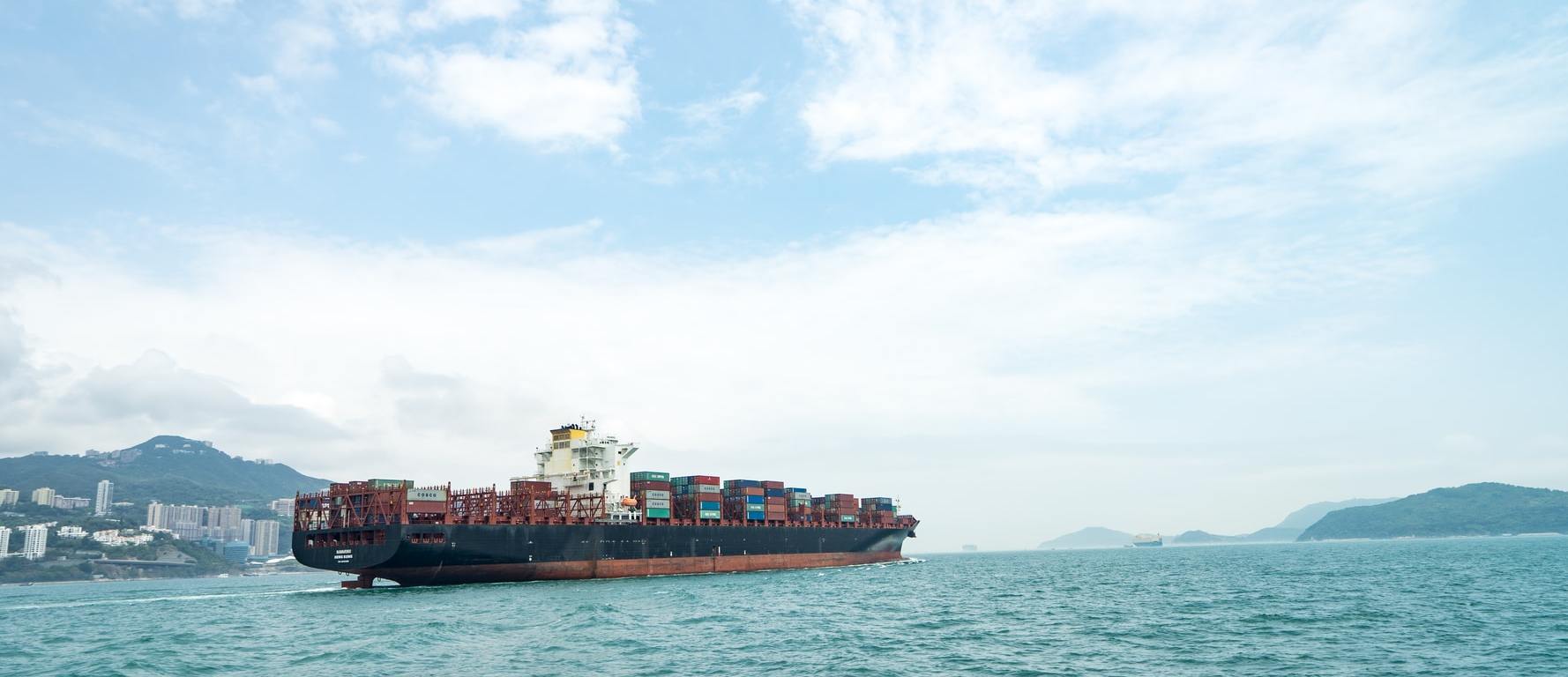
On March 23, 2021, a 1,300-foot shipping container named the Ever Given went off course and became stuck on an angle, blocking off a section of the Suez Canal. The Suez Canal, a man made canal which is located in Egypt and connects the Mediterranean Sea with part of the Red Sea, is one of the world’s busiest shipping routes. Without it, the process of getting goods around the globe would take a lot longer.
The ship was pushed by high winds that were part of a large sandstorm over into the shallower part of the canal, where it got caught in the muck on the side. The Ever Given was carrying an estimated 200,000 metric tons of goods, and was stuck in a section of the canal that was not wide enough for others to pass, leading to an extended time where travel of goods through the canal was stopped. With large equipment and many tugboats, the massive 1,300 foot container carrier was freed after blocking the canal for nearly a week.
Crews needed to work around the tide and the moon, which affect water levels. Because of the lower water levels, it was easier to get equipment in to help dig the ship out.
There were also concerns about how the blockage in the canal would affect other parts of the world because it was carrying goods that go into our everyday stores. Billions of dollars were lost daily because of the hold up and damage.
The ship was freed from being beached on March 29, and continued on into a wider area of the canal where it was inspected for any damages that would keep it from safely moving on. After all of the work done to get the vessel freed and moving again, there are still repairs which need to be done to the canal. Those repairs are going to cost a lot of money for whoever is to blame for the accident. But they are not sure yet as to who will need to pay for the damage and time that they lost.
The Suez canal is a vital component of the global trade system, as it saves container ships from going a longer way around countries. Moving goods around the world makes and costs a lot of money and uses a lot of fuel, and the money spent in removing the ship and the damages it caused and the amount of time that it used up added up quickly. An estimated $56 billion dollars was lost. With no ships coming and going, business was slow, and the ports and container yards along the canal could not make any money.
 Vidette