
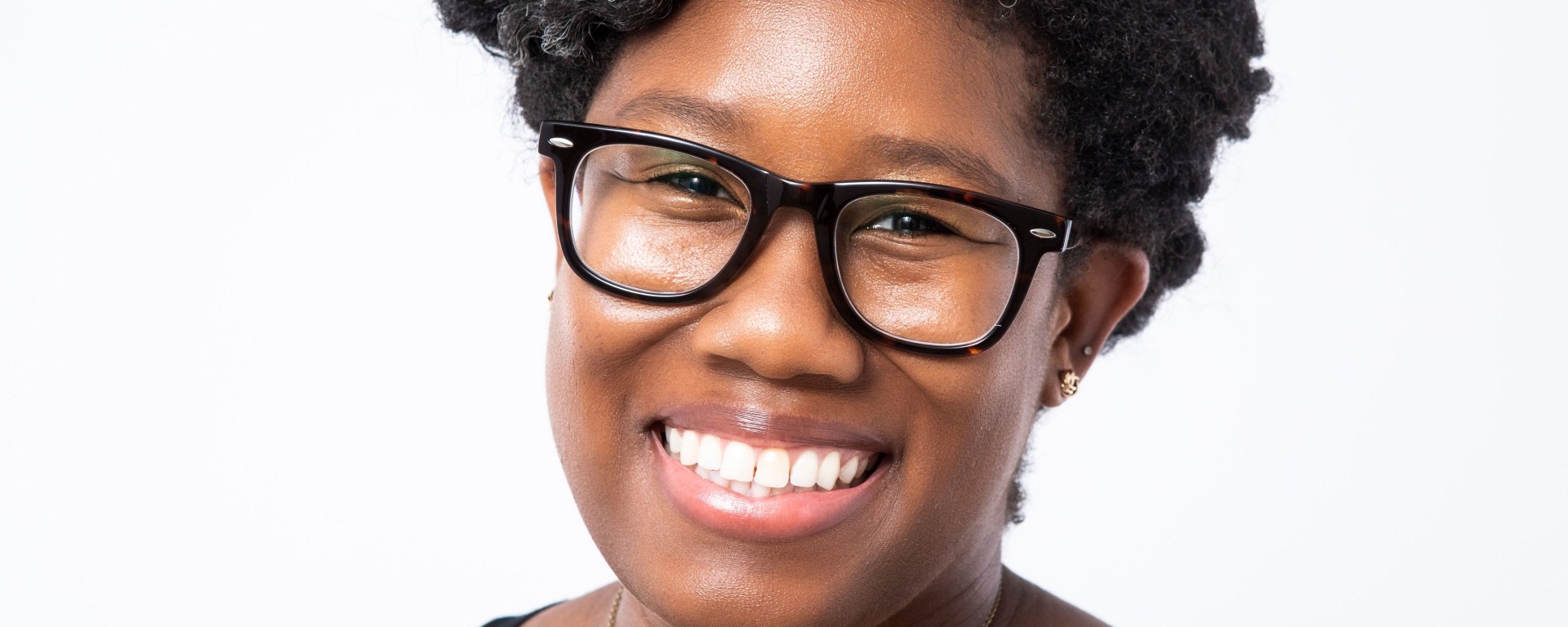
Image credit: Molly S. Photography
In the summer of 2021, Starleisha Gingrich was hired to direct McCaskey’s 2021 fall play. It’s a dream come true for the actor, director, and current education and outreach coordinator of the Fulton Theatre, who has wanted to work at McCaskey ever since she moved to Lancaster in 2015.
“I love directing in general,” says Starleisha, “but directing high school is a special kind of project for me and a special kind of magic as well…I just love the way teenagers think and are creative.”
For this year’s play, Gingrich selected A Midsummer Night’s Dream by William Shakespeare.
“I think there’s this big misconception that Shakespeare can’t be understood, but I think we all understand it at some level,” she says. Gingrich believes evidence for this can be found in the sheer popularity of Shakespeare’s work- West Side Story, She’s the Man, and Ten Things I Hate about You are just a few of the many modern theatrical works based on the Bard’s words.
Starleisha, who has been acting ever since the age of five, also doesn’t want the sometimes-archaic language of Shakespeare to discourage people from seeing the play. A Midsummer Night’s Dream, she says, is one of the most understandable of Shakespeare’s works because of its easily-followed rhyme schemes and less formal language.
To make the show more accessible, she’s setting it in modern day New York City and giving actors the opportunity to choose the gender identity of their characters. “I want people to recognize that we can have so many different types of representation onstage- whether that’s gender bending different characters, or whether that’s having LGBTQ+ actors on stage,” she explains.
The concept of accurate representation is perhaps the most important part of theatre for Starleisha, especially in the context of her own experiences as an actress of color. It’s why she started her own theatre company, devoted to telling the stories of BIPOC individuals, in March 2020.
Gingrich had grown tired of perpetually being cast as a slave or other token black character in productions.
“At the end of the day,” she says, “if you’re continually playing a slave or a maid or a bag lady, the implications of that onstage far outweigh your experience.”
“One of my favorite phrases as I was starting Disrupt and learning more about theater for social change was beware of the single story narrative,” Starleisha says. “We all have our own stories and we all share them. But if something happens to you and a classmate of yours, you’re sharing it from your perspective, and they’re sharing it from theirs. You’re both in the room together, but how you perceive and process the event is different because you’re two different people.”
“I think theatre really helps to capture those differences and helps us to understand that we are all experiencing the world from a unique point of view. The ones that we see onstage are no different than the ones that we see in our school and in our workplaces and out in the world.”
The ramifications of this representation are highly significant. With the popularity and creation of newer movies such as Shang-Chi and the Legend of the Ten Rings and Black Panther, Starleisha says, a new horizon is opened for children of color.
“If little kids can grow up seeing themselves on screen and on stage, they will know that they can grow up to be a princess or a prince or an avenger or a superhero of any kind. The more we push for representation in the media, onstage, and in our books, I think the better the world will be for it.”
 Vidette