
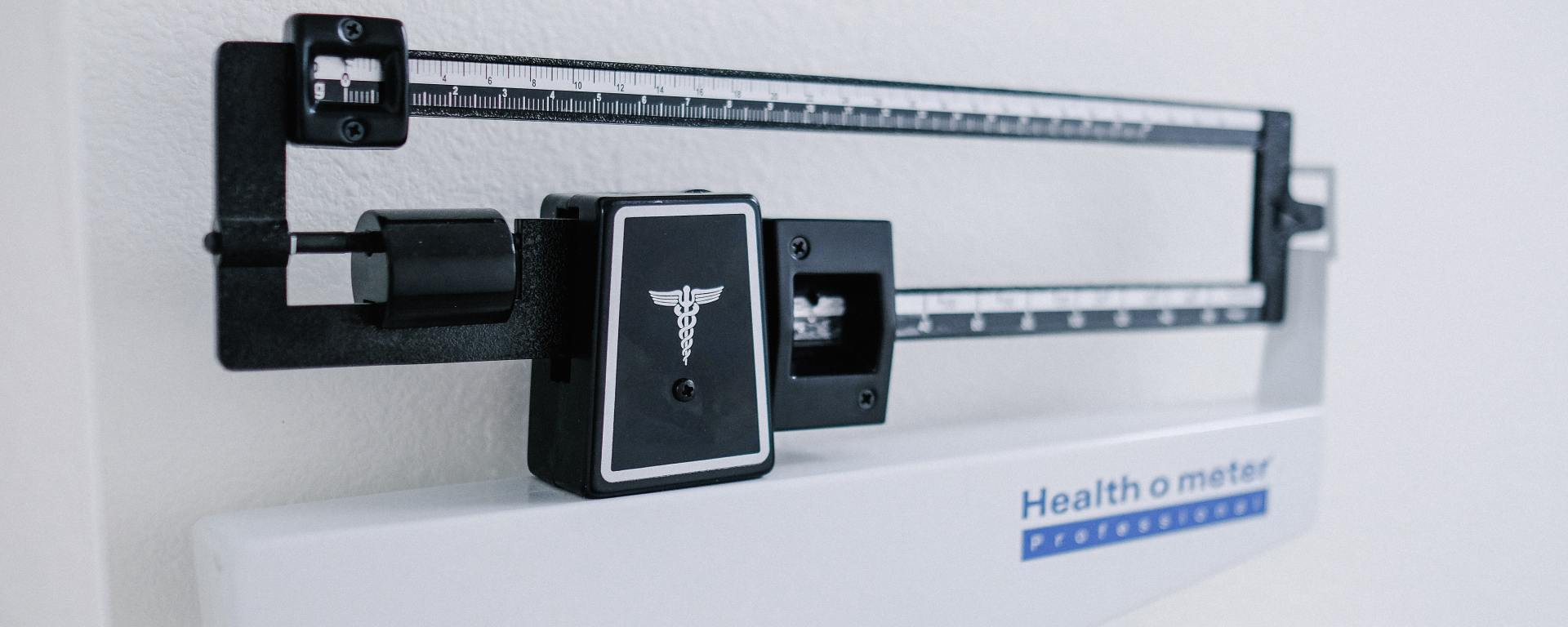
Across decades of research that has been done at the National Collegiate Athletic Association (NCAA), it has been found that “up to 84 percent of collegiate athletes reported engaging in maladaptive eating and weight control behaviors, such as binge eating, excessive exercise, strict dieting, fasting, self-induced vomiting, and the use of weight loss supplements.”
Considering one common environment of sports teams, this is not surprising: strict coaches, busy schedules, and tired players. There is a constant pressure to do better, to be the best, the healthiest, the most deserving of success. This is certainly not always the case, but when it is, an innocent desire to improve oneself turns into a battle of validation, usually by men who have been denied the opportunity to feel.
Although not often perceived as such, eating disorders are not about food or appearance, but rather an attempt at control through the use of food. They are not a picture of a thin white teenage girl crying over a scale, but anyone, of any appearance or background, struggling to cope.
Sitting hunched over a toilet after a guilt-ridden meal is no way to live, and people with eating disorders know this. And yet, as the world begins to spin, the only way to manage is to control what you can: your own body.
Weight becomes a competition. As does health. And nothing else matters.
Extreme diets and exercise prevalent in sports culture only encourages this. It is one thing to avoid a certain food group because of an allergic reaction, but if you are constantly counting calories for the sake of control, it is another. Even the idea of constantly restricting and waiting for a cheat day is eerily close to the restrict-binge cycle of eating disorders. There needs to be a balance.
It is no wonder that eating disorders are one of the deadliest mental illnesses. The obsession to achieve “health” unknowingly leads to death.
Oddly enough, a brief google search will tell you one of the country’s most prominent health issues is not eating disorders or mental health, but obesity. And perhaps this offers an explanation.
Obesity is currently measured using a calculation called the Body Mass Index (BMI). It was created in the early 1800s by mathematician Lambert Adolphe to quickly measure the weight of the population to aid in resource distribution. It does this by comparing the relationship between people’s heights and weights.
According to BMI, almost two-thirds of states in the U.S. have obesity rates above 25 percent.
In trying to improve obesity numbers, many companies are promoting diets based on starvation and the use of specific calorie counts on every food product. Although the intention is to help, this is extremely triggering to the competition aspect of eating disorders.
Between 2000-2006, the average eating disorder prevalence rate around the world was 3.5 percent, however that number increased to 7.8 percent between 2013-2018. Numbers may be rising because people are only being recognized as ill now, but there are still an alarming number of cases.
Improving obesity numbers may not even help with physical health. Weight is not the sole determination of health; it is more often the result of a larger issue—health or otherwise. An effect, rather than a cause. Using BMI as a means of determining health is not only inaccurate and outdated, but often fatphobic and triggers eating disorders.
Generally in the United States, we tend to ignore the impact of mental illnesses, besides the more palatable ones like depression and anxiety, ones that most people can relate to. Individualist, capitalist society only encourages these extremes, this competition that is mirrored in eating disorders.
Even good things are bad in large doses. Avoiding problems and self-treating under the idea of individualism only leads to eating disorders or other health issues. This will hurt not only you, but the people around you.
Past systems and trauma are currently seen in present-day mental health issues.
Eating disorders are genetic. If people do not get treated, they will likely pass it on to their children, or, in the case of hyper-independent coaches, onto unsuspecting players.
Mental health is still a relatively recent concept. Modern psychology was only founded in the late 1800s, when Wilhelm Wundt combined philosophy with science. Also during this time, traumatizing wars left most of the U.S. population with hardened emotions. Today, we are left in an awkward in-between stage of generations and data in mental health. Perhaps we will forever remain in this state, but one would hope that eventually the swinging between extremes in the perception of emotions would lessen as time passes and people adjust.
It’s understandable to struggle in this transition, and I don’t think anyone knows exactly how to handle it. Generally, it is a good idea to keep in mind the severity of eating disorders in day-to-day life, be mindful of your biases and what you may be projecting (because we all have biases), and of systematic oppression around you. And don’t comment on people’s bodies or what they are eating.
At the end of the day, food isn’t good or bad or junk: it’s a necessity. It’s neutral. People shouldn’t have to earn their food with exercise or some other ritual. Not only does this, along with strict food plans often pushed by athletes, promote unhealthy ideals, it is also unrealistic.
Health looks different for everyone and there will always be outside factors such as culture and food availability. Often dictators of health are invisible, like mental illnesses; you can’t tell by looking at someone.
You are allowed to eat different amounts each day and bodies are meant to change over time. You can eat both “junk” and “healthy” foods and be deemed healthy, in fact by allowing yourself to eat the foods you want in balance with foods that have higher nutritional value, you lessen your chances of binging on “junk” foods later.
Regardless of whether or not you have an eating disorder, having a good relationship with food will improve mental and physical ability. It should be noted that not every person who struggles with eating or body image issues has an eating disorder, though this does not mean that they are any less deserving of treatment.
In order to improve health in this country and within sports teams, health needs to be achievable for everyone, and that will look different for everyone.
 Vidette