
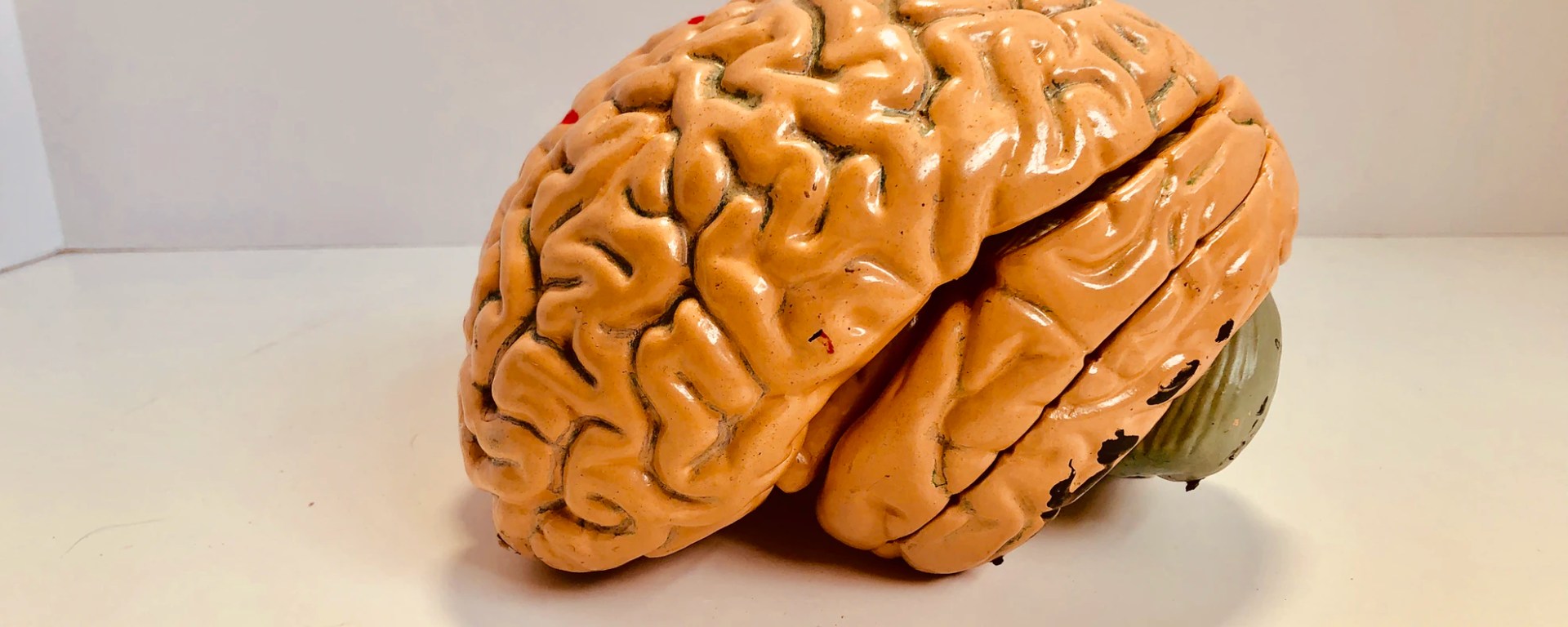
People these days seem to be making light of real life struggles, and I can understand that to a degree, humor can be a reliable coping mechanism for some. But when you use medical terms like bipolar, depressed, or OCD to describe your mood change, it no longer applies to just you, you’re now making light of and invalidating a group of people that suffer from those conditions everyday.
This is not to mention that people with the aforementioned disorders usually face an insufferable amount of stigma daily. They face doubt and criticism from everyone from friends and family to their own doctors to strangers on the internet.
Most of the time their worst enemy is their own brain.
Intrusive thoughts are unwanted thoughts that come to a person without any warning and are hard to get rid of. They contain generally violent, sexual, or other socially inappropriate ideas. Compulsions are urges, thoughts, or behaviors that are repetitive actions that an individual feels compelled to do. Note that both of these are irrational and not easy to control. These thoughts are often harmful to the individual more so than others, and the common mindset people suffer from is shame and self loathing.
What does it mean to be triggered? It depends on the disorder, but generally speaking, to be triggered is like having one uncontrollable thing that sets off a myriad of unbearable feelings.
As someone with PTSD and a few other fun disorders, being triggered causes me to see traumatic events layered over top of my surroundings, hear them, feel them again and again. After it’s over, the memories haunt my brain, replaying themselves on a loop. It leaves me drained and unfocused. It’s enough to relive my worst moments in my sleep; being triggered brings my nightmares to the daytime.
The worst part? Being triggered is usually accidental. Simply hearing a specific word spoken a specific way can lead me down days of dark depression.
It’s hard going through the day fearing one small breeze setting off an avalanche.
Abusing a word like ‘triggered’ and giving it a lighter meaning takes away a tool from a person suffering from its effects. Someone who is actually triggered now has less verbal devices to express their need for help.
It is necessary for those who don’t suffer to change their word use to collectively, as a society, lift a small weight off of our fellow humans who need some help.
What you can do to help is to respect boundaries and understand that every brain works differently. Don’t listen to stigma and internal prejudice; allow yourself to learn and feel compassion for these individuals.
It is not anyone’s responsibility to educate you about why they are offended by your actions. It is you who have to reflect on how you were offensive and hurtful.
 Vidette