
Companies Nestlé, Cargill, Barry Callebaut, Mars, Olam, Hershey and Mondelēz are involved in an ongoing lawsuit that was filed on February 12, 2021. The human rights firm International Rights Advocates (IRA) filed against the companies on behalf of eight former child slaves. The children, now young adults, are suing for forced labor and compensation for unjust enrichment, negligent supervision and intentional infliction of emotional distress.
45% of global cocoa production comes from the Ivory Coast, a country located in West Africa. Regardless of said companies not owning the cocoa farms being discussed, the lawsuit accuses them of intentionally profiting off of the illegal work of children. All eight of the plaintiffs report being recruited in Mali. By using deception and trickery they were trafficked across the border cocoa farms in the Ivory Coast. Without pay, travel documentation, and no knowledge of where they were or how to return to their families, they were forced to work for years.
One of the eight plaintiffs was only 11 years old at the time of his recruitment. A man from his hometown, Kouroussandougou, Mali, promised him work in the Ivory Coast. He was offered 25,000 CFA francs (£34) a month and legal documents claim the child worked for two years without being paid once. He would apply pesticides and herbicides often without having any kind of protective equipment. Another child spoke of his time in forced labor being from 2009 to 2011 and he had visible cuts on arms and hands from machete accidents and was constantly being bitten by insects. The plaintiffs legal team state that during the fieldwork for the case children were regularly found using machetes, applying chemicals, and undertaking other hazardous tasks on cocoa plantations that were producing for one or more of the defendants.
This kind of practice is not uncommon within the supply chains of large, multi millionaire companies. According to The Dunken Law Firm, a majority of apparel retailers have sweatshops in Los Angeles. Big brands such as Adidas, Nike, Old Navy, and H&M, Apple and Dell are all known to use sweatshops. Forever 21, Ross, and TJ Maxx are known to have sweatshops located here in the United States. In 2016, the DOL investigated 77 clothing factories in LA that produced clothing for the previously mentioned brands. There they found horrific labor violations at 85% of the factories visited.
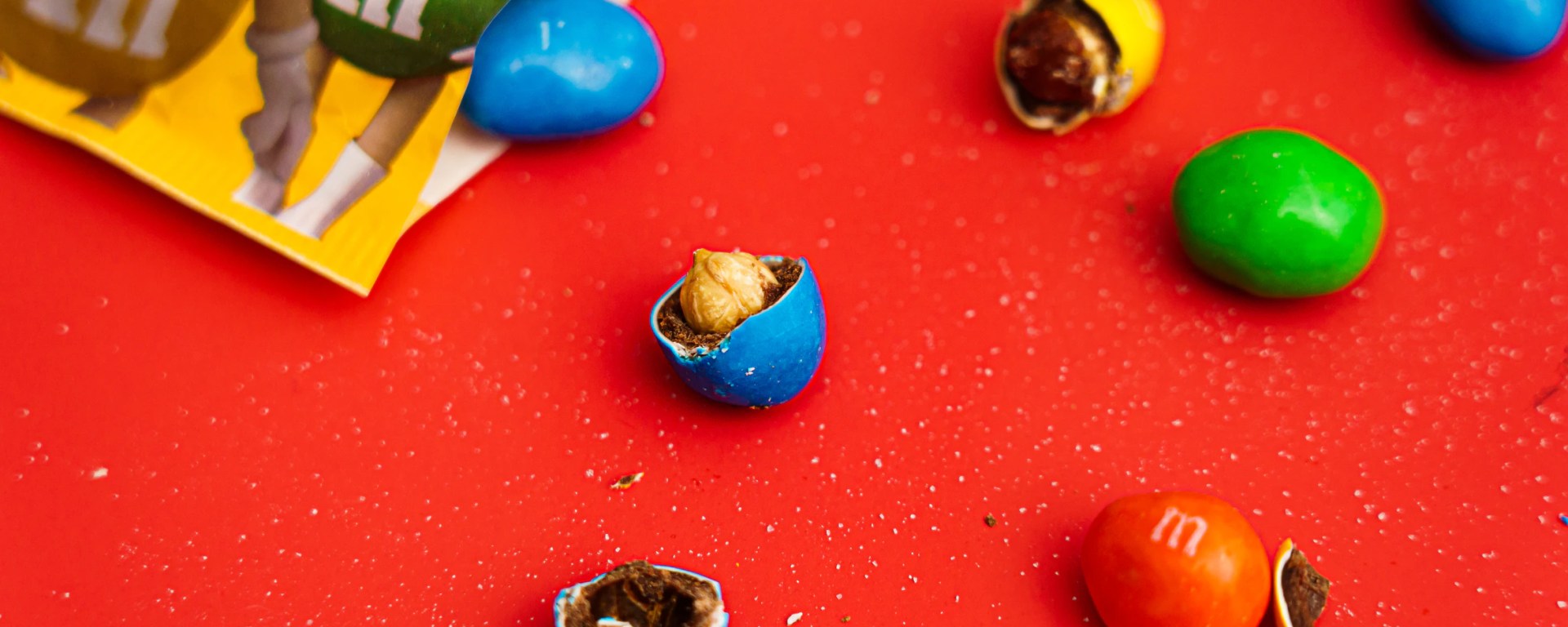
To distract the public eye when news of this kind spreads, companies attempt damage control. Mars, the company that produces M&M’s, attempts to take the attention away from the lawsuit by redesigning the classic look of the M&M mascots. To try and keep the brand updated and modern, the green M&M will no longer wear her signature go-go boots and instead will wear “cool, laid-back sneakers,” and Brown is getting lower pumps because it’s 2022 and most of us aren’t tottering around the C-suite in stilettos. Green will now be more about confidence than sexiness, according to M&M.
While the case is over a year old, there have been no new updates on its progression. According to the IRAs website, nothing has been posted in regards to the case since November 29, 2021. It seems Mars was successful in diverting attention from the lawsuit as most of the discussion is pointed to the companies mascot rebranding. Half of the discourse is about people complaining about the female M&M’s no longer being “sexy” while the other half pokes fun at their anger towards the desexualization of cartoon candy.
 Vidette