
Type 1 diabetes is growing more prevalent among children and youth, but many remain uneducated about what it is and how it affects daily life for those who have it. A lot of people also don’t realize how it is different from type 2 diabetes. An understanding of this chronic illness will help to clear up common misconceptions. As a type 1 diabetic myself, responding to those misunderstandings has become a normal part of my life.
Type 1 and type 2 diabetes are very different, and many people are unaware of these differences, or if they are, they don’t understand exactly what makes the two different. Diabetes occurs when a person’s pancreas is unable to function properly. When anyone eats food, the carbohydrates in that food break down into sugars, called glucose, which then enter the bloodstream to provide energy to the body’s cells. However, the glucose cannot access the cells without the aid of a hormone called insulin, produced by the pancreas. When the pancreas is not functioning properly and insulin is not being released to the body, the amount of glucose builds up in the bloodstream. If left unchecked, the buildup will reach a dangerously high amount that can put the person in a coma or even kill them.
The difference between type 1 and type 2 diabetes is that type 1 is an autoimmune disease, while type 2 is simply the body not responding properly to insulin. An autoimmune disease means the body mistakes some of its own cells (in this case, the pancreas) as “the enemy” and attacks it. As the cells of the pancreas are killed off, it cannot produce insulin anymore. In type 2 diabetes, insulin is still being produced, but the body is unable to use it properly, usually a result of an unhealthy diet or lifestyle, or genetic tendencies. With the proper diet and enough exercise, the problem can be solved and complications averted. In the case of type 1, however, as the pancreatic cells are being killed off, the condition can’t be reversed. The person affected must treat themselves with synthetic insulin to keep their glucose levels in check. If the amount of glucose in the bloodstream is not kept at a healthy balance over an extended period of time, other health problems can arise, including heart problems, issues with eyesight, and, just to name a few.
Another difference between type 1 and type 2 is the age of diagnosis. Type 1 diabetes is often developed in childhood or adolescence, but there are a few rare cases of development in adulthood. Type 2 is usually developed in adulthood, and most frequently among older adults, although there have been cases as early as childhood. Type 2 is more common than type 1, but type 1 is growing more prevalent, with an estimated 64,000 cases diagnosed in the United States every year. According to the Boston Children’s Hospital, one of every four hundred children in the United States has type 1 diabetes, which would be roughly 26 students in the school district of Lancaster.
As a type 1 diabetic myself, I’ve had to learn how to manage my blood sugar levels while still trying to live life as normally as possible. It has gotten easier over the past two and a half years as I have adjusted, but that doesn’t mean that every day is a breeze. Living with type 1 means constantly making adjustments, day to day and hour to hour, according to what my body needs. People who don’t have diabetes generally don’t realize how much work it takes to keep glucose levels within a healthy range as much as possible.
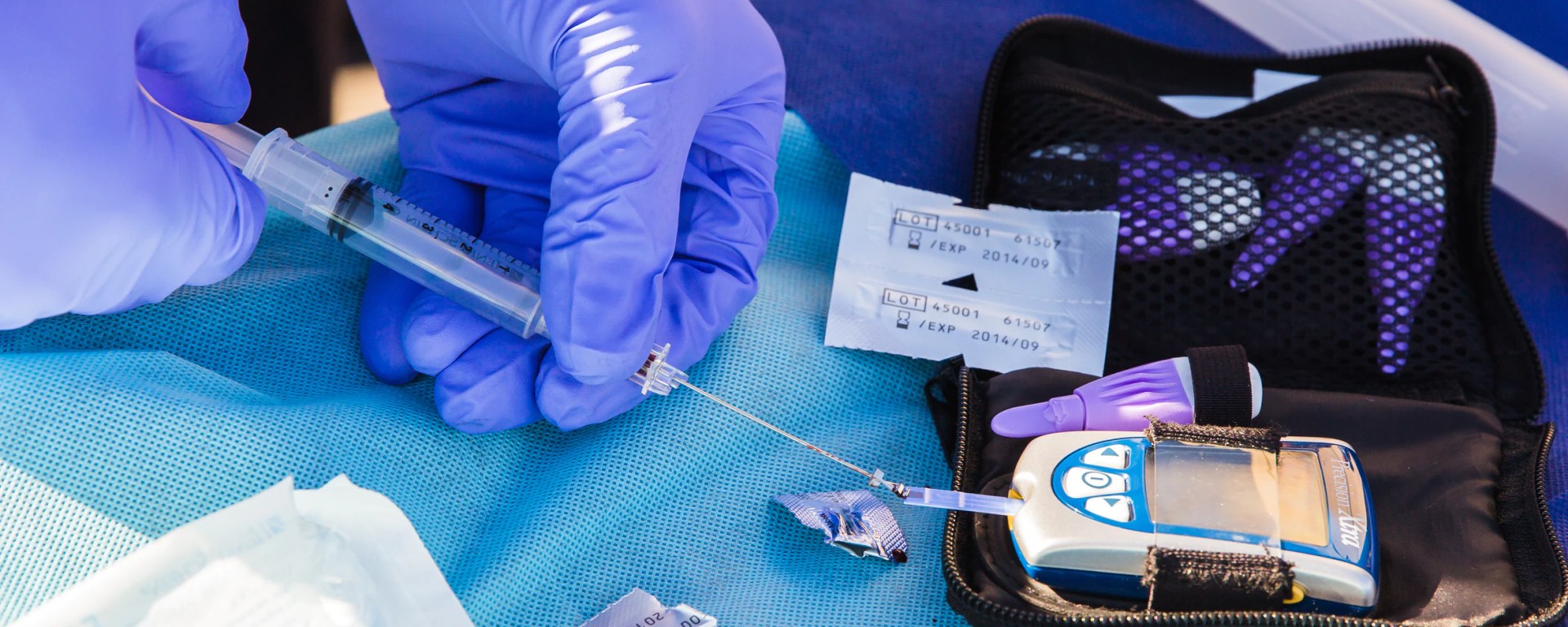
Thankfully, technology has improved over the years and made this daily chore a lot easier. A glucometer is a device used to test the blood glucose, or blood sugar levels, and is used by pricking the person’s finger and using a drop of blood to get a reading of the amount of glucose. A type 1 diabetic has to test their blood sugars every few hours and before each meal. However, there is another device called a continuous glucose monitor (CGM). This device is attached to the stomach, arm, or leg, and a small needle under the skin gets readings of the blood sugar, which is then sent every five minutes to the person’s phone or other medical device. With this, the blood sugar levels can be monitored 24/7 to track patterns and make adjustments in insulin dosing as needed. With this, the diabetic doesn’t need to use the glucometer as often.
Because the person’s body no longer produces insulin, a type 1 diabetic has to manually administer insulin. Shots of insulin are one way of doing this, but there are also insulin pumps that are attached to the body 24/7 and allow more precise dosing according to what is needed. Every time a diabetic eats, they have to figure out the amount of carbohydrates in the food, which usually is found on nutrition labels. In my own experience, once I had a general idea of the carbs in different types of food, it became much easier to make a guess when nutrition labels aren’t available. After counting the amount of carbs, the diabetic then has to figure out how much insulin to give. Every person’s body is different, so each diabetic will have different insulin to carb ratios, and it can even vary throughout the day, or change depending on the week. Many factors, such as exercise, can impact how much insulin a person needs. For example, if I’m hiking, I don’t need as much insulin as I do on a day where I’m sitting on the couch all day long. Again, everyone’s body is different, and reacts differently.
It is not unusual to have to address blood glucose levels that are too high or too low. If there is too much glucose, more insulin needs to be given to compensate. If there is not enough glucose, sugar needs to be eaten, like candy or juice or some type of food that breaks down quickly enough to get into the bloodstream before the glucose levels are dangerously low.
Balancing glucose levels can be a challenge, and it disrupts daily life for the diabetic. Most diabetics begin to experience physical symptoms when their blood sugar levels get too low, as the body tries to alert that something is wrong. Symptoms include shakiness, dizziness, feeling disoriented or not thinking clearly, breaking into a sweat, or sudden, increased hunger. It’s difficult to truly understand what it feels like unless you’ve experienced it. When a person’s blood sugar levels are too high, they can also experience symptoms of drowsiness, irritability, or increased thirst.
Aside from the stress of managing blood sugar levels in addition to normal life, having diabetes can feel isolating at times. Even though it is becoming more common, it is not common enough to feel as though people understand what it is like to live with diabetes that has to be monitored closely. Even if a close family member or friend has it, and you can see the ins and outs of managing this disease, you can’t truly understand what it is like unless you have it, and I’m speaking from experience. My brother had type 1 diabetes for five years before I was diagnosed, and even though I saw all the daily management, I didn’t really understand it until I was the one waking up with low blood sugars in the middle of the night or battling blood sugar levels that were suddenly high for what appeared to be no reason. It’s a battle that is mostly fought quietly, and at first glance, most people can’t even tell that a person has diabetes. Even if you know they do, you don’t see the daily challenges that have to be dealt with. And it’s not always easy to talk about those challenges with people who aren’t aware of it, because they don’t understand.
Currently, no cure has been released for type 1 diabetes, and there isn’t a clear-cut way to prevent it. Eating a healthy diet, exercising, and living a healthy lifestyle overall helps to prevent health problems of any kind, but it’s not a guarantee. Knowing what causes type 1 diabetes, and realizing that it doesn’t have an easy fix, will set you on the path to understanding those of us who deal with this disease every day.
 Vidette