
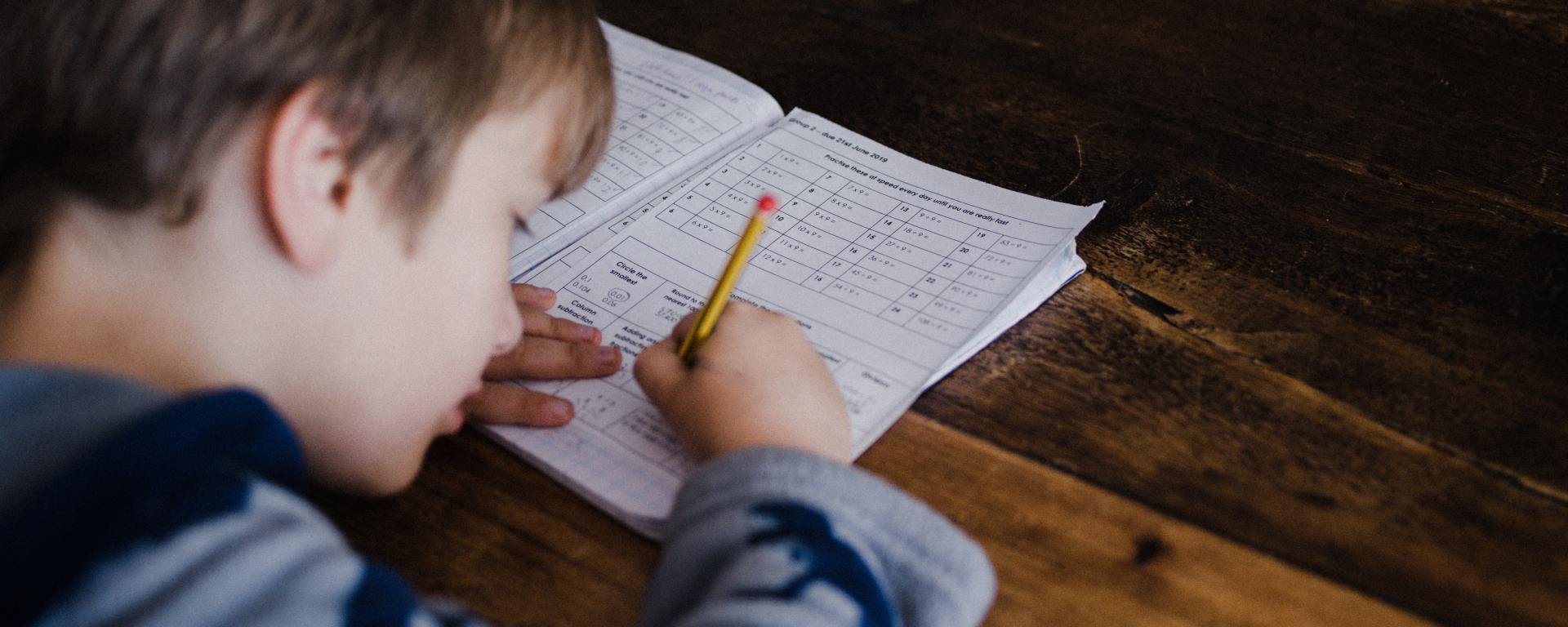
Homeschooling—what comes to mind? Most likely, you’ve heard at least one of the myths surrounding homeschooling, but as someone who has been homeschooled from kindergarten to eleventh grade, I can testify that a lot of those myths and stereotypes aren’t true. Being in public school this year has certainly been different, but both options have pros and cons. With more parents looking at other options of schooling since the pandemic, homeschooling is on the rise.
I’ve had a lot of reactions from people as I explained that I was homeschooled before coming to public school. Those familiar with homeschooling usually wondered why I would ever transition to public school at all when I could stay home and “do school in my pajamas”. Those who are unfamiliar with homeschooling, and especially teachers, often go quiet, politely refraining from saying what they think about homeschoolers. However, I’ve heard enough ignorant comments from people to know that what they really think is that I haven’t had a good education; that my parents aren’t capable of providing me with the best learning environment possible; and that I have lived in a hole my entire life.
The truth is, the people who view homeschooling in that way simply haven’t closely observed homeschoolers or taken the time to look deeper. Homeschooling can differ from household to household, but I’ve grown up in a community of homeschoolers, and it’s not fair to project upon us the idea that we have not had a good education. For one thing, Pennsylvania has requirements that homeschoolers must follow, including logging a certain number of days or hours every year. Sick day? You have to make up that day, adding another to the end of the school year. Homeschoolers are also required to have a certain amount of high school credits to graduate, and they are required to cover certain topics. For example, I was still required to have four years of language arts in high school, like everyone else. Each year, an evaluator looks at proof of the work and both the parent and evaluator sign papers stating that all the required topics were covered. Additionally, there are many curriculums available for homeschoolers to choose from. Many can be catered to a child’s specific needs and learning styles. If one style of teaching doesn’t click with a child, there are always other options to try.
When I was homeschooled, people always wondered why my school day was shorter. Was I not doing enough work? After attending public school, I realized that I did the same amount, if not more, of schoolwork when I was homeschooled. Just because my day was shorter didn’t mean I wasn’t doing enough. It simply meant that I was able to move at my own pace. I didn’t have to walk five minutes between each class, or wait for other students to finish their homework so we could move on to the next unit, or work feverishly to get caught up on something I struggled to learn before the rest of the class moved on. Being able to move at my own pace actually helped me to retain the information better, and I learned how to be responsible to get my work done when it needed to be finished. And depending on the difficulty of some of my subjects, there were days when I came close to matching the length of a typical day in public school.
I also didn’t live in a hole. While it is true that I didn’t see friends every day, that didn’t mean my social life was lacking. I had other friends who were homeschooled, as well as friends who went to public school. In middle school, I spent time nearly every day hanging out with kids in my neighborhood. Doing school from home also allowed me to build better relationships with my parents and siblings and taught me how to work out conflicts in a healthy way. Did I sit around in pajamas all day? No. While it is true of some homeschoolers, spending the day in pajamas didn’t happen in my house.
Of course, walking into a building full of thousands of strangers on my first day of public school wasn’t easy for an introvert like me. Especially coming from my comfortable routine where I had my week carefully planned out. I enjoy seeing friends every day, but I also enjoyed the flexibility homeschooling provided. There are pros and cons to both types of schooling.
With more and more families choosing to homeschool in the wake of events of the past two years, understanding how homeschooling works is becoming more important. In the 2020-2021 school year, there were about 3.7 million homeschoolers in the US, compared to 2.5 million in the spring of 2019.
The broader variety of schooling options these days gives parents a chance to choose the learning environment that best suits their children, whether it be public school, homeschool, private school, cyber, or other. What matters is that students are able to learn well and grow in their education, regardless of the path they and their parents choose.
 Vidette