
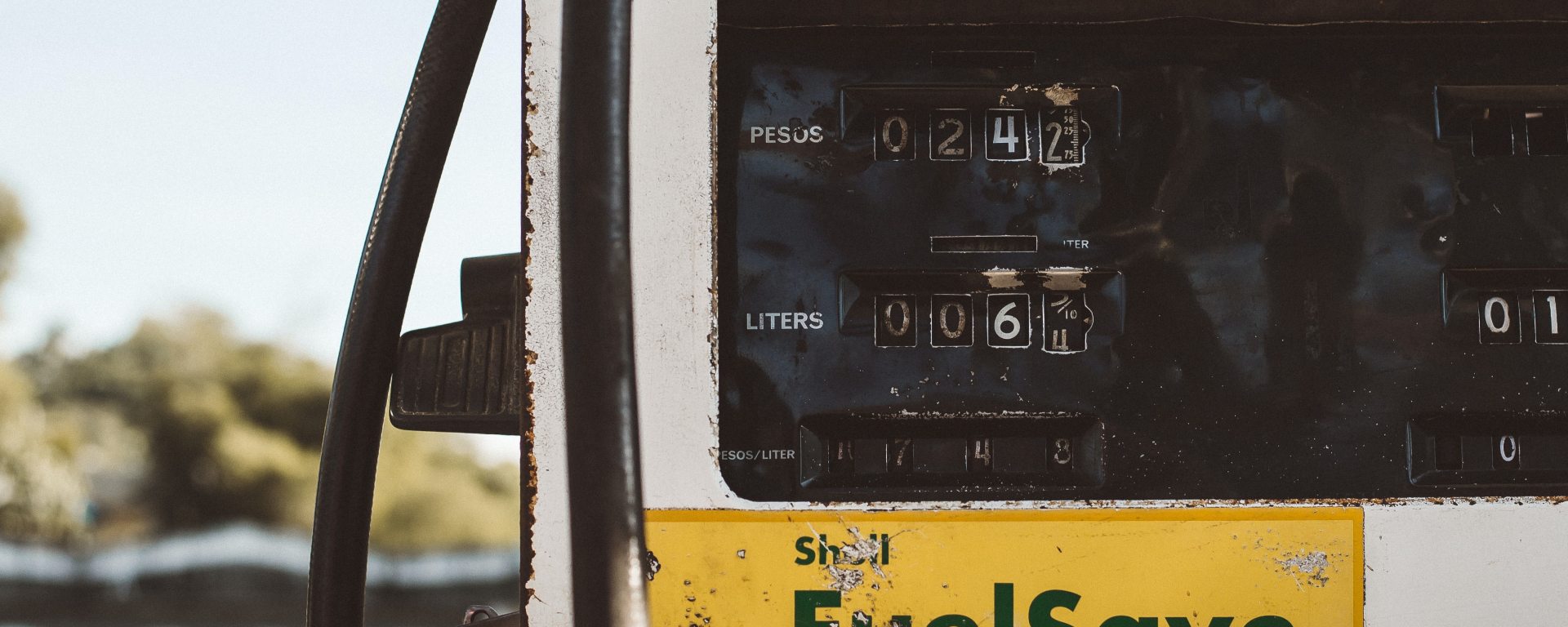
If you have driven past a gas station recently and winced at the price sign, you’re not alone. Many Americans are feeling the strain on their wallets, and the rising gas prices aren’t the only problem. The cost of both buying and renting houses has gone through the roof, and food prices are also on the rise. Eventually, these issues will affect nearly everyone if circumstances don’t change.
The main problem, whether we’re talking about gas, or food, or homes, is that there is a high demand and low supply, stemming from halted production during the 2020 lockdown. As far as the gas goes, some people blame Joe Biden, others blame the war between Russia and Ukraine; regardless of what really sparked it, prices have appeared to level off and come down slightly, for the time being. However, summer travel typically causes a rise in the price of gas, so the reprieve may only be temporary unless Americans choose not to travel so much this year.
While the gas prices won’t directly affect those who walk or bike more than driving, the effects will eventually trickle down. Drivers are forced to find ways to put more money towards gas, which means eliminating unnecessary expenses. Businesses that offer leisure activities, such as movie theaters, may have a decrease in business as people cut that out of their budget. And a decrease in business could result in laying off employees. Even restaurants could be affected as people choose the cheaper option of cooking at home.
But speaking of cooking at home, the “cheaper” option is getting less and less cheap. Meat and poultry are at the top of the list of foods rising in price, followed by oils, eggs, and fruit. The threat of an avian flu, or bird flu, outbreak could make it harder to find poultry and eggs. A local farm in Lancaster county recently had some chickens test positive for the bird flu. The entire farm of 1.4 million chickens were killed to prevent further spread, and all other farms within a ten- mile radius were put in quarantine as a precaution. Lancaster county is one of the highest poultry producers in the nation, and if more chickens need to be killed off due to the avian flu, the prices of poultry and eggs overall will shoot up even higher.
Some grocery stores are seeing empty shelves as supply chain issues make it difficult to access everything they used to be able to access. Packaging materials have been harder to come by since the pandemic slowed production, which prevents food companies from being able to properly package their food. Lack of employees has also slowed production, as some employees chose not to return to work after the lockdown in 2020. More people also began cooking their own meals instead of eating out, and the increased demand for groceries combined with the slow production results in shortages of supply at the stores.
Affordable housing is another issue facing Americans. The same production issues we’re seeing with food applies to the materials used to build houses, such as lumber and steel. Construction has slowed as demand for materials exceeds the available supply. The prices, not only to buy a house, but also to rent, have shot up as the need for houses has surpassed the number of houses available and construction is unable to keep up with the demand.
So what does this mean for Americans? Housing and food are necessities, and for many, gas is also needed to get to work. If prices continue to rise, daily life will change for a lot of people. Some may be impacted in greater ways than others, but something like a food shortage can affect everyone, regardless of their income. While it’s important to know the potential threat, it’s also important not to react in fear. America should be prepared, not panicked.
 Vidette