
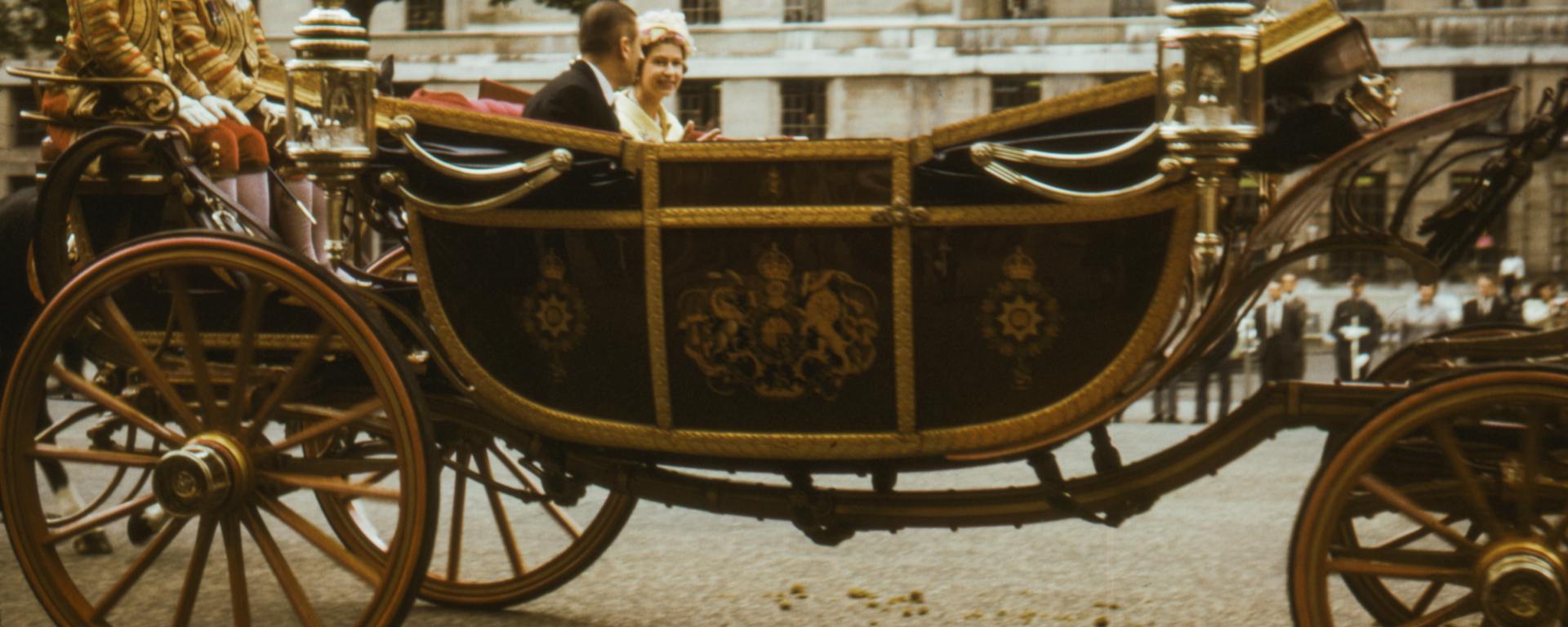
On September 8, 2022 all eyes were on Britain when Her Majesty Queen Elizabeth II died. At 96, it brought an end to her seventy-year reign. Her death evoked an immediate flood of mourning for the longest reigning British monarch, one who has ruled through volatile times in our world’s history as a leader of the largest imperial empire to date.
The British Empire encompassed colonial possessions across the globe. In spite of the international shift towards decolonization that occurred after World War II, England still retains 14 overseas territories. For many who do not reside on the mainland, the Queen has been a symbol of colonial expansion, a mark of the constant abuse and degradation faced by those in British territories across her domain.
Global reactions are varied. India is still suffering from the effects of British Rule under the Raj in which the people of India did not view the Queen as an important leader. Her death served as a catalyst for the increased demand for the country’s Koch-i-noor diamond as it was another cultural prized possession that the crown stole to be used as Crown Jewels.
Mixed reactions on social media point to historic resentment as the cause for celebration of her death as the demands from the former colonies have only increased since. At the time of her death, a video gained traction demonstrating Irish football fans chanting in celebration, “Lizzy’s in a box.” Public reaction grew more celebratory as resentment of the monarchy persisted on the divided island of Ireland, split between British influence in Northern Ireland and the Independent Republic of Ireland.
The death of Queen Elizabeth placed current and former colonized peoples and British people of color in a dilemma following the death of Queen Elizabeth II. Citizens of the former British Empire have continued to experience residual effects of colonialism even after gaining independence. They had been exploited by the monarchy for centuries. Were they supposed to mourn the death of their abuser? Are they allowed to feel relieved that the embodiment of colonialism is dead? For many, the answer is complicated.
To most former colonies the Queen represented their head of state in name only. Countries were deterred from declaring their independence as their revolutionaries were persecuted in the empire’s efforts to maintain its grip on power. Even after the global influence of the United Kingdom declined, former and current subjects find it difficult to detach the Queen from her legacy of violent imperial rule, enslavement, and theft of prized cultural possessions. As former territories call for more than an apology and recognition, persistent public demands for them to remain silent amount to blatant disregard for their agency.
The carnage executed by the British Imperial Empire produced a bloodstained legacy that the victims of colonization at their hands will not soon forget. Many struggle between hating what the Queen represents and loving her as a person. As people continue to attempt policing the way victims of colonization under the reign of Queen Elizabeth II react, the victims remain torn between relief and mourning.
 Vidette