
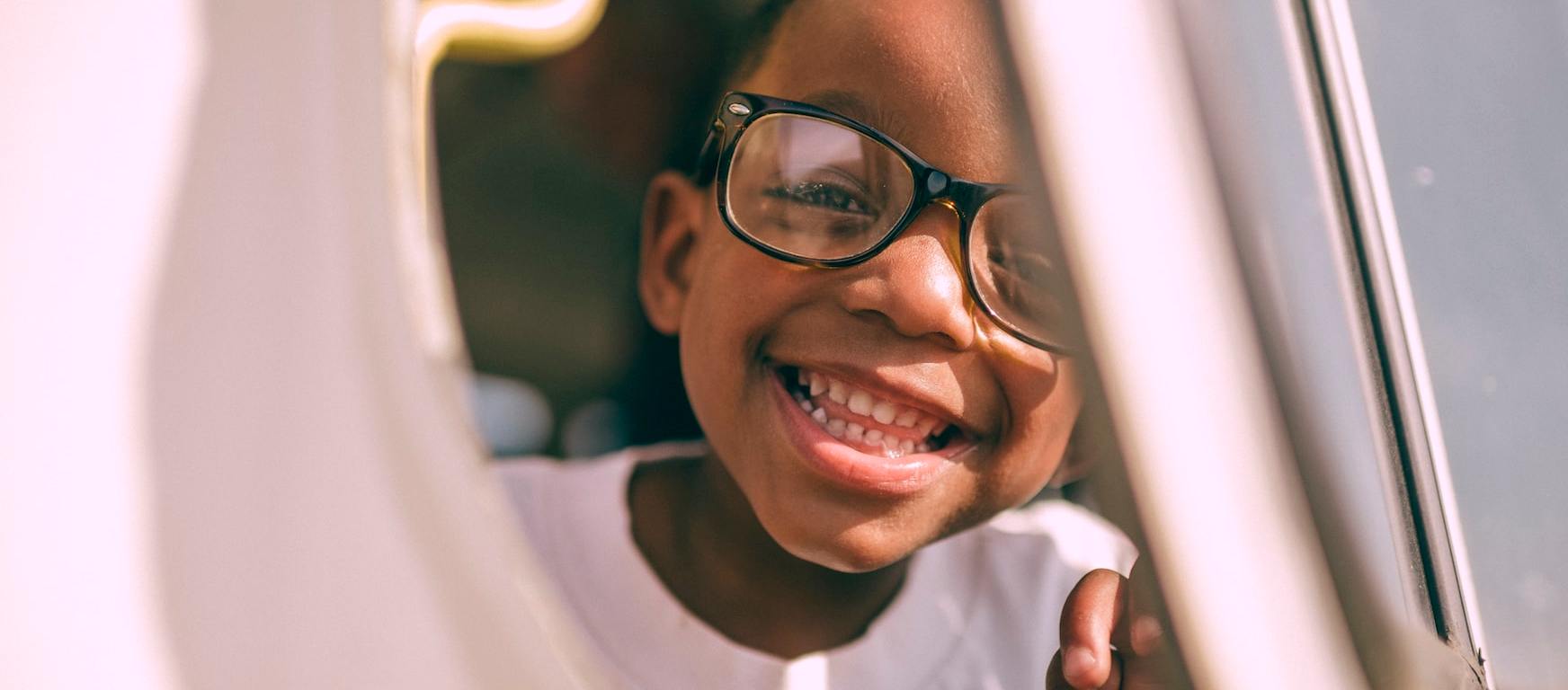
As a young child, I only enjoyed watching television shows with characters that weren’t human – Yo Gabba Gabba, SpongeBob, etc. I was never able to really watch shows with humans, as I could never relate to the characters. It was always a mainly white cast with one or two stereotypical black characters: either a black female of a lighter skin tone, or a black male of a darker skin tone that served as a side character, both as friends of the protagonist. For Halloween, I never dressed up as anything but an animal or angel because I was “too dark” to look like the white character. Many other children like myself felt the same way.
This has been an issue for a while, not just in regular American cartoons, but in our live action shows and even foreign media like Anime. Black men are commonly portrayed as stereotypes including (but not limited to) the “stupid/incompetent” stereotype, that represents black males as dumber than their white counterparts, as well as the “savage” or “ghetto” stereotype that portrays them as more aggressive in both actions and attitude. Another honorable mention is the “Black Best Friend” stereotype. The icing on the cake is the fact that most of these characters are designed with exaggerated features such as pure black skin, large pink lips, large jewelry such as nose rings and hoop earrings, distraught hair and bandanas/head wraps. Some characters we know from our childhood represent this well, such as:
- Mr. Popo, Staff Officer Black and Killa from Dragon Ball Z
- The Crows From Dumbo
- Zolbe and Takahashi from Saiki K.
- A.J from Timmy Turner
- Sambo from the Sanrio franchise
- Bork from Henry Danger
On the other hand, black women in cartoons are often portrayed as various other different stereotypes, including the “angry black woman”, the “mammy”, and the “jezebel” or “sapphire”. The “black best friend” stereotype also counts here as well. The angry black woman stereotype is when a black woman is portrayed as animalistic, loud and constantly angry. This comes from the masculinization of darker skinned women. Another is the “mammy”, typically an obese black housemaid/servant woman, whose only purpose is to tend to children as she’s viewed as “undesirable”. Finally, the sapphire stereotype is present, where black women are represented to be seductive and sassy. Their features may be exaggerated to make them more “attractive”, and they tend to manipulate the male character via sexual advances. Some examples of these stereotypes include;
- Mammy Two Shoes from Tom and Jerry
- Catra from She-Ra
- Dijonay from The Proud Family
- Libby from Jimmy Neutron
- Leshawna from Total Drama Island
- Jynx from Pokémon
- Mrs. Cerebellum from The Powerpuff Girls
- Hanna from the Sanrio franchise
- Sister Krone and Jemima from The Promised Neverland
Not only is the stereotyping in cartoons a problem, the lack of representation in general is one as well. Controversy has appeared in popular fandoms of various different types of media due to fans drawing characters with darker skin tones and more visibly black features to create their own representation. The same goes with cosplaying, as black cosplayers have started to add their own touches, like Afro wigs, onto characters. The white counterparts of these fanbases have become outraged with this, claiming that it isn’t fair for them to change the ethnicity of black characters, but black creators are praised for it. Yet, it seems impossible for the black community to win. When the only time you’re shown in the media is when you’re being ridiculed, there aren’t many more options.
Over time, the crisis of representation has seemed to improve. More and more shows have come out for children that represent black characters in non-stereotypical ways, such as Danger Force, Hero Elementary, the Owl House, Craig of the Creek, Raven’s Home, and more. Older shows coming out with new spin-offs, reboots or seasons are starting to change things up, such as “Bubble Guppies” adding a new black character named Zooli to the group, or the “Velma” series based off of the old Scooby-Doo, not only changing her race and skin tone to make her black, but Shaggy’s as well.
Diversity in children’s media is changing, giving black youth something that they’ve needed for years. Upcoming shows and movies are showing black children that they can be anything – we aren’t made to be a certain way, and it’s okay for us to separate from what’s been expected of us for decades.
 Vidette