
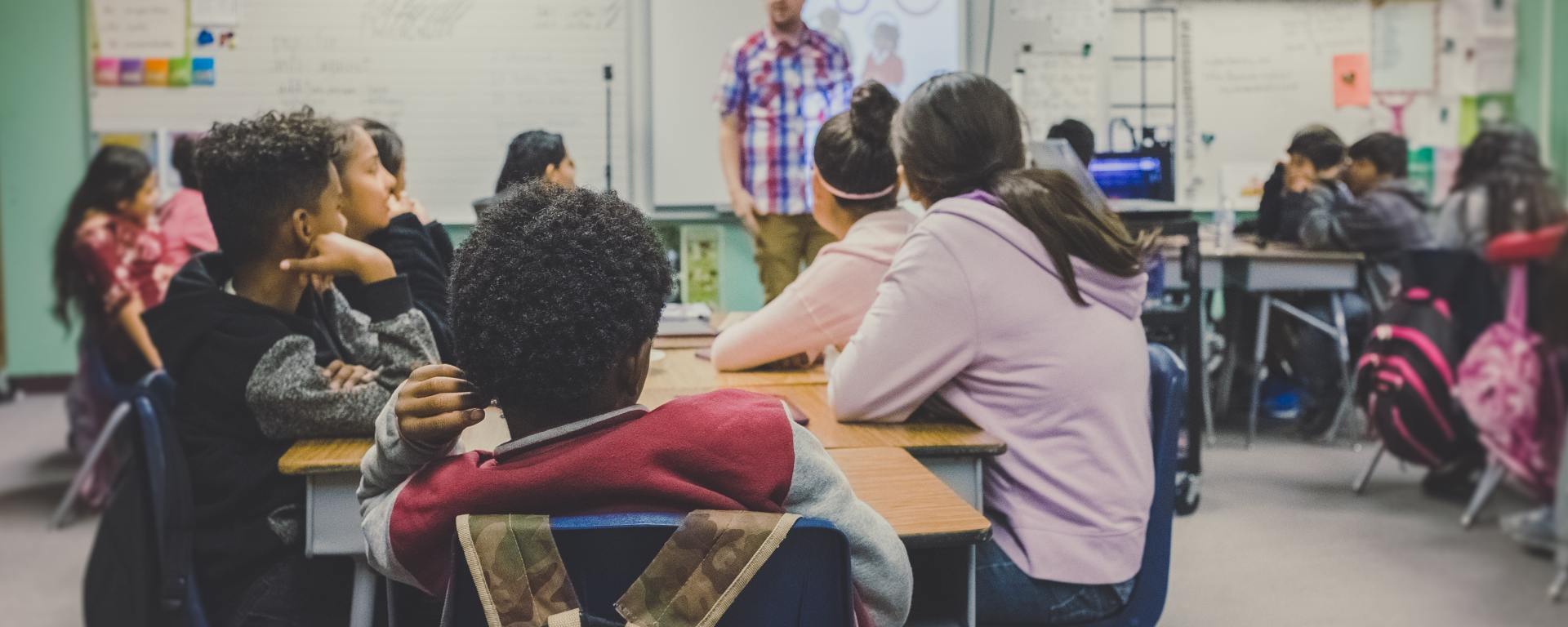
The United States is no stranger to censorship. The horrifying attempts to discard any progress made in America’s education system are becoming bolder and more alarming. The legality of attacks on race-based discussions such as Florida Governor Ron DeSantis’ “Stop WOKE Act,” signed last year are gaining media traction as the arguments regarding censorship circulate courts nationwide. Perfectly phrased by Dean Pernell of Florida A&M Law school: “Independent of whether you agree or disagree with CRT [the real debate] is ‘at what point does the government get to dictate what a teacher teaches?’” Now, there is a new issue on the horizon.
Arguably the most influential education nonprofit, College Board, announced their new AP African American Studies course in 2021. Select schools across the country piloted the course during the 2022-2023 school year with positive results.
Conflict arose when Governor DeSantis blocked the course from being taught in Florida High Schools in January 2023. He argued that “the content of [the] course is inexplicably contrary to Florida law and significantly lacks educational value.” DeSantis faced immediate backlash from the White House who called Florida’s rejection “incomprehensible.”
Soon after the ban was publicized in Florida, College Board announced they would revise the course. In contradicting statements, College Board claimed that these revisions were not directly a cause of DeSantis’ complaints while Florida officials claim the changes are a response to his criticisms. The College Board’s edited curriculum was published on February 1 after Florida Gov. Ron DeSantis and other conservative politicians used their political power to exploit the racial fears of white people. The finalized curriculum has excluded the Black Lives Matter movement, LGBTQ studies, Reparations, Mass incarceration, and prominent African American intellectuals, among other topics. This is a devastating setback in the effort of the American education system to become more inclusive, diversified, and honest. Those who hold the power in education continue to appease the political games of conservative politicians who bend to the fear of replacement and even worse, an adequately educated population. These are the same politicians who gripe about cancel culture, government control, and censorship, of which they are doing all three.
In an open letter to College Board following a criticism of DeSantis’ censoring attempt, Governor Pritzker of Illinois retorted by writing, “If we refuse to teach our next generation honestly we are bound to repeat old cycles and reopen old wounds- fueling the animus that Governor DeSantis uses to score attention and divisive headlines.” As College Board is a nonprofit organization, it is important that they maintain their reputation as dedicated to the advancement of education instead of prioritizing profits and succumbing to political pressure, which defeats their purpose of helping students.
As the debate over AP African American studies persists, it is crucial to consider the role and position of black teachers in education. Black students continually navigate the achievement gaps they have been subjected to due to the lesser quality education they often receive, and the lack of Black teachers has become increasingly disquieting. Multiple studies have shown that having a black teacher has positive effects for black students. In a study by Adam C. Wright, it was found that Black teachers provide Black students with greater instruction and they are less likely to be suspended. Consequently, students of color placed with a teacher of color are less likely to argue or act out than minority students placed with white teachers. Another study discovered that Black students who were exposed to black teachers by third grade were 13% more likely to enroll in college and if they had two black teachers by third grade, the likelihood increased to 32% in what is known as the role-model effect.
While being black does not make you a better teacher, it does mean you have the experience of something that other teachers can’t understand. As McCaskey African American Literature Teacher and BSU Advisor Mrs. Gregory explained, “When you don’t have a black teacher, you don’t understand from that perspective…. It’s not just knowing about [African American studies] its also having the experience.” Black students tend to treat their education seriously when they see someone like them can be successful too. It’s no secret that representation matters. For McCaskey, this is an especially important conversation.
In the School District of Lancaster, 88% of students are people of color but only 11% of teachers are people of color. The most disconcerting part is, that is the highest percentage compared to all the other districts in Lancaster county as reported in research done by the YWCA. So what does this mean for AP African American studies at McCaskey? We already have a lack of black teachers. We have qualified black teachers who are able and willing to teach this course, and to not have them as your first option is a disservice to the student body who already suffers from disproportionate representation. As our school has a majority nonwhite population, it is imperative that we have educators who are not insensitive to the experiences of people of color. Studies have proven that having black teachers improves students’ interpersonal relationships alongside their test scores, which the School District is constantly looking for ways to improve on. So what is stopping them?
 Vidette