
“Everything is made of corn!” This thought has pervaded my brain ever since my class read Michael Pollan’s middle-grade edition of The Omnivore’s Dilemma in the 7th grade. The book explores different food production methods and diets, most of which ultimately end up being majorly inconvenient or unhealthy, to highlight the impact that industrialization has had on the food we eat. Deciding what to eat in a world with endless options, the dilemma we all face, is a direct result of industrialization.
Years later, as I scroll through all the food and nutrition fads and fixations the internet produces, Pollan’s book inevitably creeps back into my mind. I can’t help but think that the internet has perpetuated America’s food problem exponentially since the book was originally published.
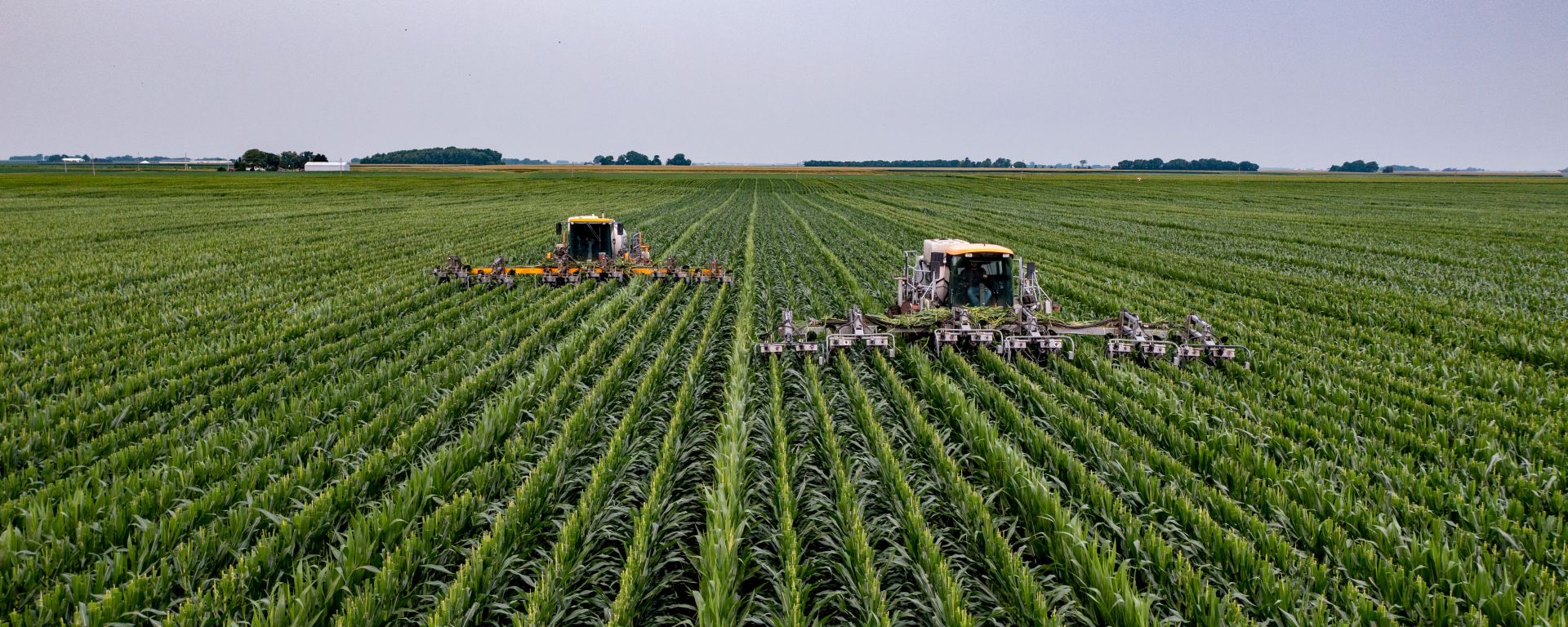
The first section of The Omnivore’s Dilemma is about corn, and how it pervades the entire processed food industry. Thanks to technology and genetic modification, corn grows on an enormous scale in a monocrop fashion.
Monocrops are a method of farming in which only one species of plant is grown, as opposed to a diverse array of crops which is in the best interest of ecosystems in and around farms. It is then fed to industrially raised livestock like cows, and finally turned into fuel, alcohol, as well as flavor and texture enhancers like high fructose corn syrup and cornstarch. These ingredients are a staple in almost every processed food imaginable, a consequence of industrialization that means we eat a diet which appears much more diverse than it really is.
Not only does this affect the health of consumers, but also the health of livestock and the land we inhabit. Cows are not intended to eat only corn; rather, they should be consuming grass and other grazing material. This unnatural diet results in health issues for cattle and a decrease in the quality of the meat we consume.
This cheap industry shortcut also has a major environmental impact: because corn is grown in the quickest most efficient way possible, pesticide runoff from corn pollutes waterways, and the monocrop eradicates biodiversity.
Pollan moves on to discuss the phenomenon of “organic” food. It’s no big secret now that the word “organic” itself says absolutely nothing about where food is derived from or how it’s produced in any meaningful way.
In 2023, there is another major factor in the discourse about organic food: social media. The medium has perpetuated shame about buying or not buying organic/free range/grass fed products, and escalated confusion about what to and what not to eat.
The shaming and lecturing goes beyond just organic–completely new paranoias have been introduced through TikTok and other social media. Seed oils and microplastics, among other dietary dangers, are now a deciding factor in people’s diets, none of which were even discussed outside of a small minority just a few years ago. That’s not to say seed oils don’t cause inflammation and microplastics won’t kill us all, however, the paranoia seems to spread faster than worthwhile solutions and helpful information. Fads like this leave people who can afford the pricey lifestyle obsessed and paranoid, and people who cannot afford it feeling helpless and equally paranoid.
It appears the internet has done with food what it does to every issue–transformed it into a biased, black and white argument, lacking any nuance or perspective, and left social media users feeling the need to become a part of one end of the extreme.
An all or nothing approach is the only accepted lifestyle from the internet’s perspective–being fully vegan, eating no seed oils ever, only eating meat, or never eating gluten are all diets that could be practiced only partially and still improve health or environmental impacts, but are only seen as valid by some when taken to the extreme. Technology has trapped us as consumers of food. We are dependent on convenience foods, but they are devastating ecologically, and lacking nutrition.
Consumers are sold unhealthy foods and offered a solution in the form of “clean” eating with no basis for the claim. Even the solution that is proposed in the omnivore’s dilemma is constricting. Pollan says the solution is buying locally, however, for many people that is simply not a possibility. Whether it is because of the cost of living, premium costs of the most simple form of food, or convenience, today’s work-centered culture in the US does not allow for everyone to buy and eat locally grown and produced food.
 Vidette