
by Gabriel Brogan
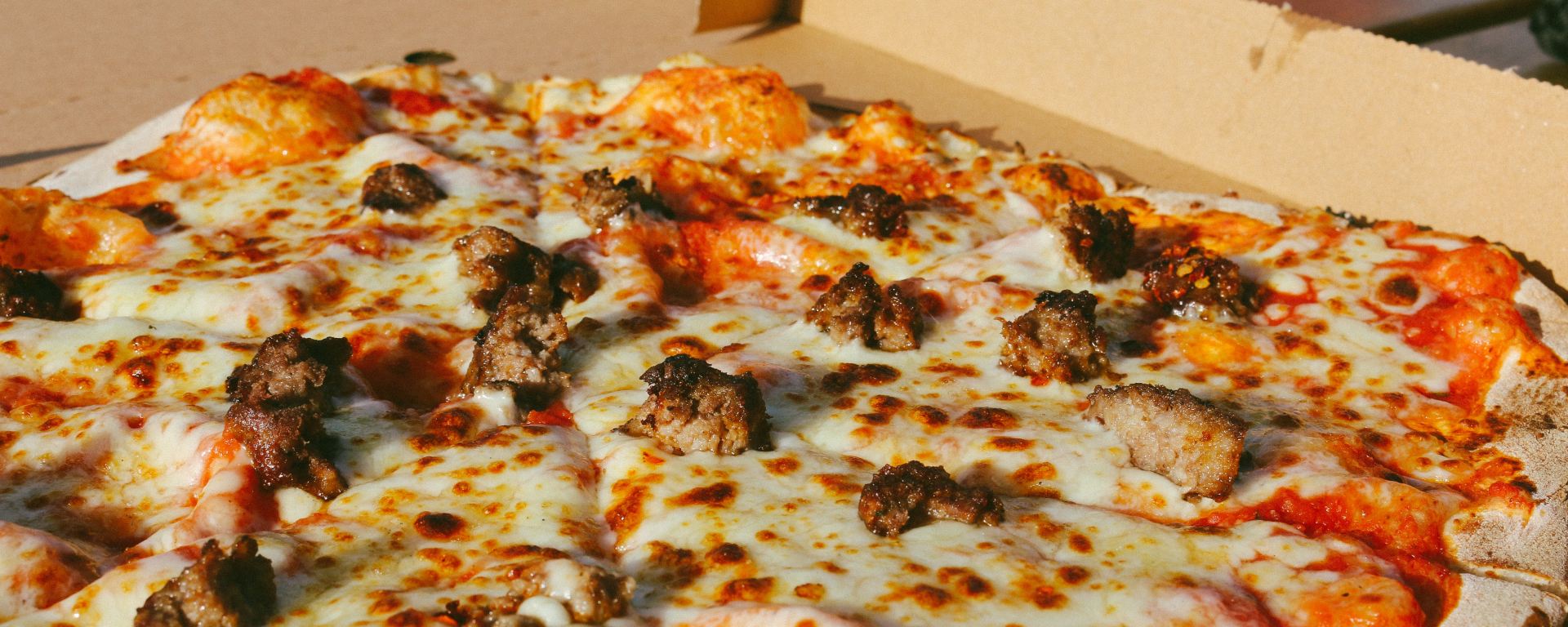
Bread and cheese, cheese and bread, all the time. Anecdotally, I noticed this pattern among McCaskey’s school lunches, but wondered if my observation was just confirmation bias after a few extra-cheesy days in a row. Digging deeper into the SDOL website’s lunch menus section, I discovered that I was not mistaken. The amount of bread and cheese served and eaten by the McCaskey community is truly absurd.
For November alone, 9 out of 17 school lunches are some form of bread and cheese, totaling to 53%. In December, 8 out of 16, or 50% of lunches, will be bread and cheese as well. In the 5 months that we will be attending school, 38/72 school days (or 53%) will have bread and cheese as the main dish, in some way, shape, or form.
The most common bread and cheese items include “Big Daddy’s Primo Pepperoni Pizza 3-Pack,” “Breadstick WG Mozzarella Filled,” and “Cheesy Pull-Apart Italian.” Cheese filled lasagna also makes a frequent appearance.
Those who aren’t bread and cheese fans can always opt for the trusty Uncrustable, however, this gloppy pocket of peanut butter and jelly is nutritionally quite lacking. The Smucker’s uncrustable boasts more fat (32g) than a McDonald’s Big Mac (29g), with 30 grams of added sugar to boot. The added sugar used to sweeten the jelly in Uncrustables spikes blood sugar, increasing the risk of diabetes and leading to a rapid dip in energy after lunch.
Additional options aside from the main entree are the turkey and cheese sandwich, the sweet bologna and cheese sandwich, and the salad (the salad includes a cheesy breadstick most days) which is somehow 820 calories.
When you enter the cafeteria, bread and cheese is everywhere you turn. While there is no doubt that the quality of the school food has improved since the pandemic days of pre-wrapped sweaty chunks of who knows what, many McCaskey students are still unsatisfied with the endless dairy and grain train.
James Cook, a 10th grader at McCaskey, shares his discontent. “It’s so greasy. I don’t know how long that cheese has been sitting on top of that bread, but it’s congealed by the time it gets to us. Half the time, it just slides right off the top in one slab when I try to eat it.” An 11th grade student who wishes to remain anonymous also has complaints. “I’m lactose intolerant, so I couldn’t eat most of the school lunches. Last year, I ate Uncrustable every single day. I can’t even look at the Uncrustable anymore…It’s disgusting.”
Lactose intolerance, or the reduced ability to digest lactose, a sugar found in most dairy products, is definitely a concern worth considering for school administration. Students of color make up 88% of McCaskey’s population, and research shows people of color are disproportionately affected by lactose intolerance. According to John’s Hopkins Medicine, 80% of all African Americans have some form of lactose intolerance, and 50% of Hispanics. In fact, 18-26% of people of Northern European descent suffer from lactose intolerance, though they are the least affected group. Even if you can digest lactose, large quantities of cheese almost daily is widely known to have negative effects on heart health due to its high saturated fat content. According to the British Heart Foundation, eating too much cheese can stiffen your arteries with its high sodium content, and clog said arteries with saturated fat and cholesterol. This combination of factors can lead to heart attack and cardiovascular disease, the global leading cause of death.
The school lunch features too much bread and cheese. In addition to its low opinion among the student body, its questionable sourcing, questionable taste, and questionable impacts on health should be reason enough for a change. The bread and cheese needs to go.
 Vidette