
By Tiyya Geiger
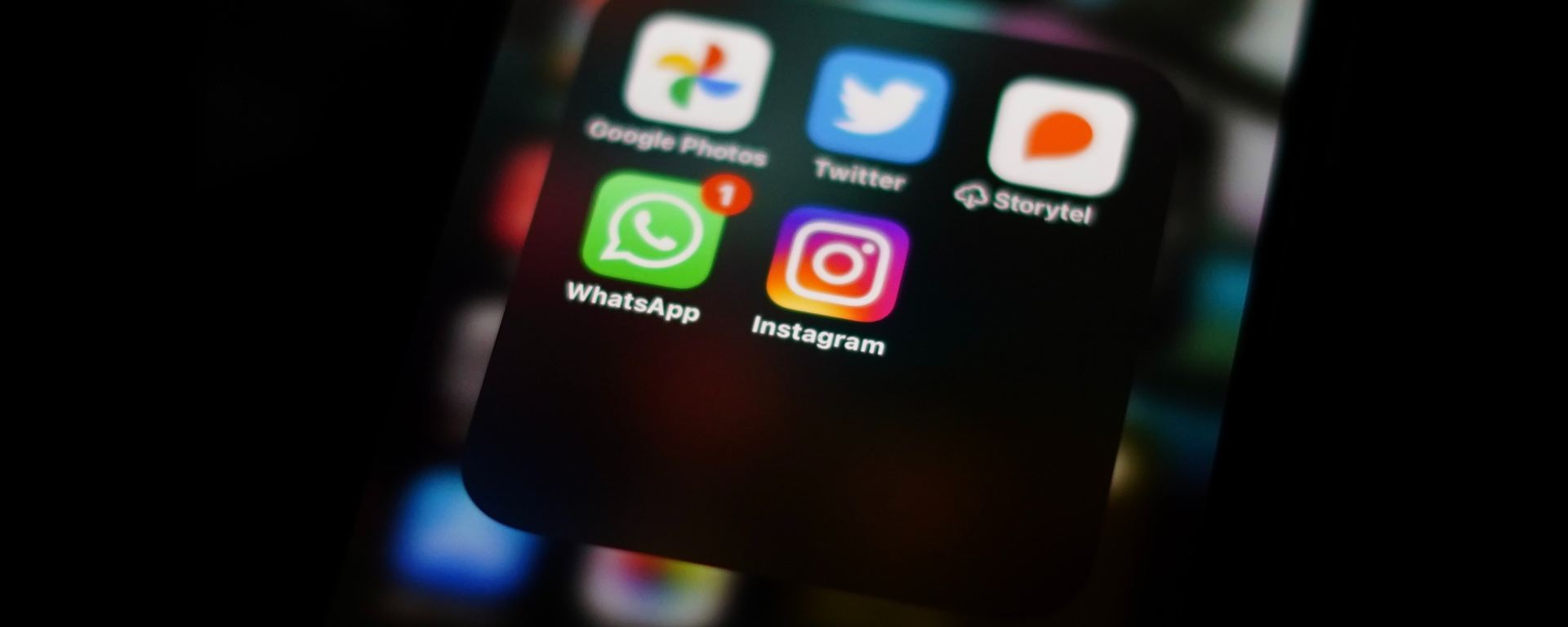
Cellphone addiction in our increasingly interconnected society perhaps most clearly manifests itself in our grudgingly short attention spans. We itch for the answer to our questions the second they appear and when gone unanswered, we allow the next thing to distract us in a cycle of never-ending vapidness. Previously intriguing dilemmas now rarely cause a batted eye or induce a spark of curiosity- we know the answers to our problems, but now we lack the will to fix them.
The cell phone problem has been a hot topic since the black turtleneck and Steve Jobs himself unearthed the iPhone in 2007. I certainly do not hold the answers to this problem, but I can offer insight into the mind of a generation driven by an overwhelming barrage of information that marks our wary and overstimulated 21st-century existence.
The American Psychiatric Association’s official manual of mental disorders does not officially recognize phone or screen overuse, but by defining addiction on the commonly accepted three C’s: Control, Compulsion, and Consequences, it is easy to understand this phenomenon is an addiction.
Despite the lack of official recognition, this behavior is sometimes referred to as “nomophobia”—fear of being disconnected from one’s phone—by the National Institute of Health. Research by Stanford economist Matthew Gentzkow estimates that 31% of time spent on social media derives from “self-control problems.”
People often face withdrawal symptoms when disconnected from their phones, as they undoubtedly dominate and intertwine with our lives. These devices connect us to the inside and outside world, a paradox that cannot be overlooked when discussing the cause of the alarming global increase in youth screen time post-pandemic.
There is a certain fear, a certain shudder of isolated memories and memories of social withdrawal, that flood my mind when the words “pandemic” or “COVID” are mentioned. The flashbacks are, at times, unbearable. Who are you when nobody is around? Who are we without constant communication? Constant attention? We do not know.
Those who suffered through the Great Influenza Epidemic of 1918, COVID-19’s sister, also underwent isolation, albeit to a more extreme extent than ourselves. Without modern medicine, the vaccine took 10 years to develop, the strongest connection to this epidemic being our white face masks, abhorred then, politically charged now. Those who contracted influenza faced the familiar routine of isolation and quarantine with increased rigor and without the ability to instantly talk to real people via cell phones. The stakes were higher without FaceTime calls to keep families in contact, saving people from risking it all to see their loved ones.
The desire for human connection is a fundamental law and a basic need. In 2020, the concern for our loved ones was at times alleviated by our advanced ability to communicate technologically, yet we faced a new problem exacerbated by the ceaseless updates on the virus. We suffered from information overload. The addiction began to take hold as we longed for news on COVID—an announcement from the CDC on the increase in cases, the CNN report telling us the lockdown was over.
And so we sat, on our phones, longing to “touch grass.” Our restlessness resulted from the constant screen time that seeped into our bones. We watched reruns of The Office and were enthralled by Tiger King, caught between the longing for the pre-pandemic mundane and a ruthless desire to escape into something as exotic as the virus. I, like most of my generation, developed a phone addiction, although it was not as bad then as it is now.
The hours spent on my phone were not spent talking to classmates or friends as the ability to socialize physically was all I had known. My phone being my only method of communication had indefinitely warped my ability to interact with those my age. I no longer had a reason to go out and buy slushies at the Turkey Hill with my classmates.
As the pandemic progressed, we sought comfort in what we knew best—the screen. We stayed there as we transitioned back into school, escaping into TikToks and movies to resist confronting the reality that we didn’t know how to talk to each other anymore. The iPhone dependency carried on as teachers begged us to speak in the Zoom breakout rooms, and later to the desks, 6 feet apart. Most of us experience nervous jitters when away from our device for more than 20 nail-biting minutes, the black screen acting as a tether to what was in front of us and what was miles away.
We are scared of losing the connection that we have become accustomed to. The thought of not being able to have your phone in class now equates to worrying about what your mother will do if she calls and can’t reach you, but we forgot the old systems that worked pre-cell phones still exist.
As we seek to distance ourselves from our phones, perhaps it is time to reckon with the withdrawal we face from lack of socialization. Yes, we found new information, personal or otherwise that may be jarring, but we also learned what it is like to live without. So maybe we can live without our iPhones, if just for hour increments. To delve back into the world of library trips and gas station slushies, without the nagging urge to check our text messages. They’ll still be there.
 Vidette