
By Sidney Brant
TikTok is a terrifying platform. Users of the app often acknowledge this with the caveat that yes, it sucks the life out of you and makes any long-term task impossible without a Subway surfers video playing in the background, but it can expose you to so much unique, interesting media that you otherwise wouldn’t have discovered.
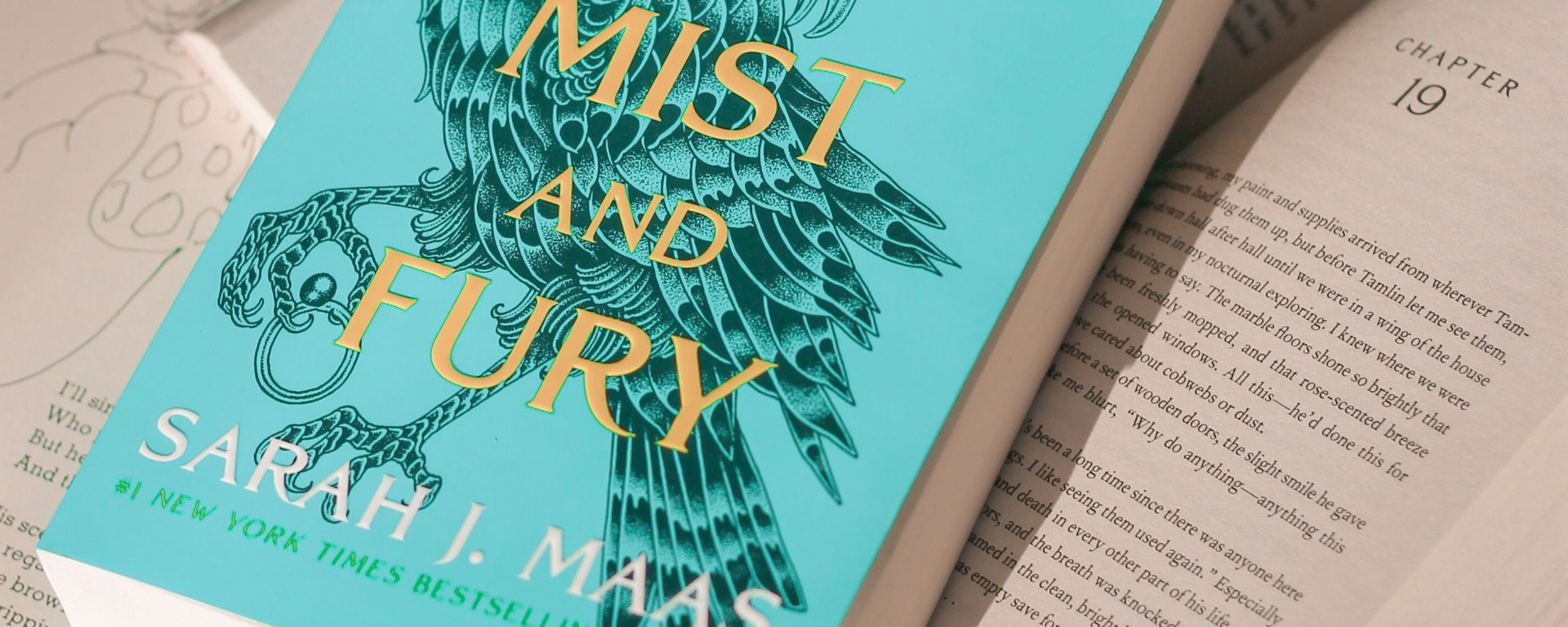
There are communities formed fully online predicated on a favorite movie or TV show. This also applies to books. There is a side of TikTok known as “Booktok” where creators share book recommendations, book hauls, bookshelf “tours” and other book-related content.
Harmless, right?
Maybe not.
Recently I came across a post about Booktok wherein a woman described the backlash she received when criticizing popular Booktok books. One of the comments humorlessly retorted that she was “gatekeeping reading.” A comment on that post claimed that the quality of books was decreasing in general as a direct result of Booktok. Others agreed, even comparing the book industry to the fast fashion industry.
This debate between anonymous internet commenters made me wonder, has Booktok lowered people’s standards when it comes to writing? Does that even matter? Sure, I experience a visceral and immediate repulsion to some of the content on Booktok—everything from a Colleen Hoover novel to an ostentatious stack of books decorated with ribbons and film negatives makes me shudder and cringe—but if there’s one thing I know for sure, its that cringe is not a crime.
The commenter, though, accused Booktok of something more serious: overconsumption as a result of bad quality. Much Booktok content is indeed focused on the physicality of the books themselves—the color of the spine, the design of the cover, where it’s displayed. It can be logically assumed that this encourages the buying of books and the displaying of books, but perhaps not the reading of books. The desire to actually read the books is secondary to the materialist need to own them.
Statistics support this theory (at least the buying part). Since 2020, young adult fiction book sales have increased by 30.7%, and adult fiction sales by 25.5%. Whether people actually read the books is hard to determine. The only anecdotal evidence that supports my theory are Tiktok videos making relatable jokes about being addicted to buying books that will sit idly, unread.
Overconsumption is not healthy, and TikTok evidently encourages the buying of mass amounts of books in one fell swoop. It’s not necessarily that owning a large amount of books is bad, but rather how they are procured. Historically, one who enjoys reading may amass a large collection over many years, one that grows with and adapts to their taste. It has even been statistically proven that people who live and grow up in homes with many books, more than they have read, are smarter, and generally better off.
However, many people who are influencing and being influenced on Booktok appear to be overwhelmed by the bombardment of book recommendations and purported “must-haves” of that particular week, leading them to purchase an obscene amount of books that they will most likely outgrow before they can read most of them. They will most likely outgrow the books because they are ephemeral and arguably of sub-par literary merit.
The reason that so many of the books circulating on TikTok are inordinately mediocre is probably because of the app itself. Many of the Booktok viral texts are self-published. Self-published books generally don’t have a large audience, especially if they are not great, but these rules don’t necessarily apply to TikTok. Tiktok’s claim to fame is that the videos you view on the app’s “for you page” are made by complete strangers, not just people you know and follow. This means it is easier to promote a self-published book, or even discover that self-publishing is an option. As a result, the self-published books that attain tiktok virality have even been reported to have spelling and grammar errors, among other silly mistakes.
Self-published TikTok books don’t strike me as a particularly pressing issue. In fact, I think it’s cool that people are writing novels, no matter how grammatically incorrect or embarrassing. It is completely preposterous to claim that self-published books making the rounds on TikTok are the culprit of recent book buying and reading trends.
When it comes to popular TikTok books from major publishers, they may have been copy-edited, but the prose is mostly uninspiring and elementary. This is what makes the books age so badly, and it’s only natural considering TikTok’s demographics.
Most TikTok users are Gen Z or Millennials, an age group that tends to gravitate towards highly saturated book genres like YA, fantasy, and romance. Not all of the books there are just so many of them that most of them are bound to be pretty mediocre, but this does not stop the young people on TikTok from promoting the books.
Is the quality really a problem? Not necessarily. Of all the trends that have been promoted by TikTok, low-quality literature is hardly an issue. It is simply a reflection, like most products today, of an increasingly fast-paced world with a de-emphasis on quality in all industries. Plot-driven, easy-to-read, “guilty pleasure” books have always served a worthy purpose, however, TikTok has driven the masses to become overwhelmed with variety and choice, giving the books a shorter life in the spotlight.
Reading is good. This is undeniable, whether you are reading Proust or a comic strip, you are beneficially engaging your brain. The same cannot be said about TikTok, though. It is deeply ironic that so many people are spending immense amounts of time on TikTok making a case against mockable, but ultimately benign fantasy and romance books.
 Vidette