
By Nakaylah Kelley
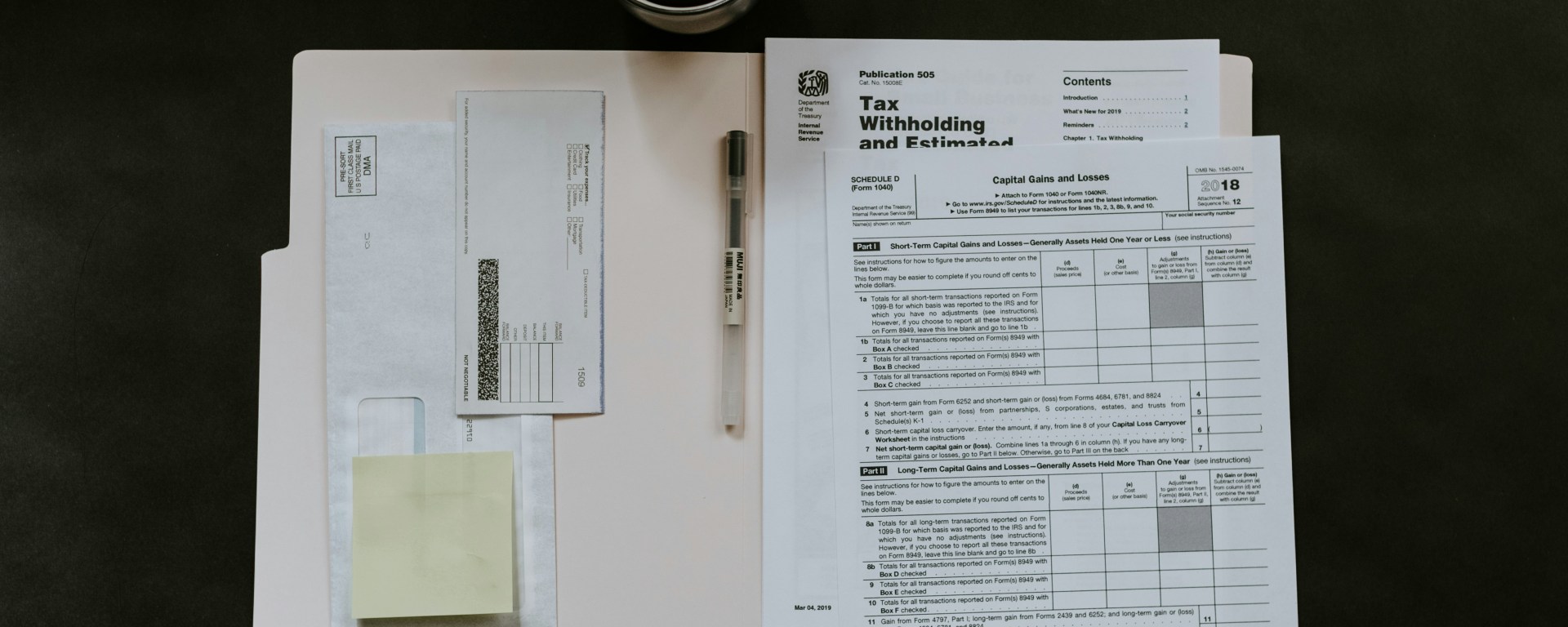
Can you do your taxes? Do you know how to change a tire? Can you do laundry? What about applying for a loan? If your answer is no, you’re not alone. Many high school students feel unprepared for the “real world.” An adulting class would cover all the basics of life, like changing a tire, learning what taxes are and how to do them, budgeting, paying bills, cleaning, and basic cooking skills. So why don’t schools have a class for all these skills?
What is adulting?
Adulting is defined as acting like a responsible grown up and doing the necessary ordinary tasks like cooking, cleaning, and paying bills. Imagine being fresh out of high school, and you enter a full-time job, and you believe that after working 40 hours a week with a pay of $15 an hour, you’ll be taking home $600 a week ($2,400 a month). But in reality, after Federal, State, and Social Security taxes have been taken, you’re only making $458 a week ($1,832 a month). You’ll be scrambling to figure out how to pay bills and budget for necessities. For many high school graduates, the financial reality is shocking and difficult to navigate without prior knowledge.
Why Do Students Feel Unprepared?
Many high school students graduate feeling unprepared for the responsibilities of adulthood. While they may know how to solve for x or analyze a book, real-world skills like filing taxes, managing bills, and understanding credit scores are rarely taught in the classroom. At McCaskey, the closest courses that offer these skills are IB Business, IB Accounting, and possibly Freshmen Seminar.
A common issue seniors feel is that they lack the skills and knowledge necessary to navigate the real world, and that they are expected to just know what to do on their own with little to no actual help.
Without formal education on these topics, many young adults in America rely on a trial-and-error approach, which can cause issues, especially when financial challenges arise without proper support. For example, you sign up for a credit card without understanding how interest rates and the minimum payment for credit scores work. You’ve maxed out your credit card and damaged your credit score, making it harder to rent an apartment, buy a car or get a job. The lack of knowledge can also lead to debt because of the high interest rates.
What Should Be Taught in an Adulting Class?
An adulting class should focus on essential skills that students need to function within the world after high school. Financial literacy would be a key component, covering topics like budgeting, taxes, credit scores, and how to apply for a loan or mortgage. Basic car maintenance lessons, such as changing/checking a tire or checking oil levels, would help students become more self-sufficient. Additionally, students should have home management skills such as cleaning, cooking meals even if they’re simple, and doing laundry correctly. The class should also include job preparation like writing a resume, writing a professional email, conducting a job interview, and how to communicate professionally and effectively with your employer. By providing young adults with these fundamental skills, the gap between academic learning and real-world independence will be bridged.
Are there places that have Adulting Classes already?
Across America, there are schools that participate in Adulting classes to help their students flourish after high school.
Frankfort High School in Michigan offers an adulting class called life skills. The class teaches students financial literacy like mortgages, insurance, how to apply for student loans, and how to save and invest. Actually, in 2024, Michigan mandated a course in financial literacy must be taken to be eligible to graduate. That mandate enforces the states commitment to preparing students for life after high school. The school district of Laredo Independent in Texas made it their mission to ensure that students would be able to handle their finances by having workshops that cover budgeting, investing, saving, money management and credit. Maybe McCaskey should take a page out of their books and have their students learn financial literacy.
Should An Adulting Class Be Required?
Some may argue that these skills should be taught at home, but not all students have the same access to that kind of guidance. Schools already require subjects like math and science to prepare students for the future—why not include real-world skills that everyone will need?
However, rather than making the course a graduation requirement, students should have the option to take it as an elective. Ultimately, choosing whether to take the class would be their first real test of adulthood.
But hey, if all fails, at least we’ll all be really good at finding slope while crying over our W-2s (taxes).
Till Next Time, Nakaylah Out!
 Vidette