
By: Eleni King Martin
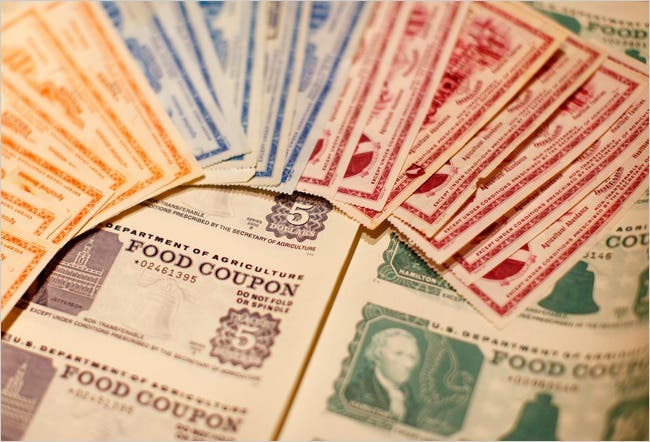
During the 43-day government shutdown, SNAP benefits, also known as food stamps, were cut for families across the United States. SNAP benefits is a federal funded program directed towards providing families in need with money for food and groceries. This program gives money to families in need, however this money can only be spent towards food and beverages. Food stamps are essential to much of the United States, as they are life saving for many low- and middle- income households. Thankfully, once the shutdown ended, food stamps were able to resume for the second half of November. However, during those 43 days, the absence of SNAP benefits was hugely impactful for middle- and low- income families.
As of the 2024-2025 school year, every student in the School District of Lancaster qualifies for free and reduced meals. Prior to this change, about 63% of students qualified for free and reduced lunch, meaning 63% of students are economically struggling or in need of government assistance. This number has likely changed since the 2024-2025 school year, as a result of a change in federal administration and policy changes. As of September 1, 2025, the School District of Lancaster has 48% of its students reliant on food stamps. This equates to over 4,600 students throughout the district’s elementary, middle, and high schools.
Food stamps are essential to many SDoL households, as they create more flexibility in terms of meals and food. In response to the importance of food stamps, McCaskey social worker Miss Liz says, “It’s ironic how little the money is. But, food stamps are what make ends meet for a lot of our families.”
Sadly, there are many students that have been affected extremely negatively and personally by the shut down and the short absence of SNAP benefits. One student says, “Food stamps are how we get our groceries. My mom only makes enough money to cover our rent.” There are thousands of other stories just like this all across the district, not to mention the nationwide impacts.
Not only have students been affected by these food stamp shortages, but staff members too. One staff member says, “As a newly divorced single mom of two kids, we lived off of food stamps. It would have been horrible not to have them. To live without having those benefits would have been really terrifying.” Thankfully, this staff member has come back from having to rely on food stamps, but there are so many members of the community who have not.
In response to the shutdown of SNAP benefits, Miss Liz and many other teachers, administrators, and staff members came together to organize a food drive. Students, staff, and families of SDoL came together to donate food for the betterment of the community. The purpose of this food drive was to donate ingredients to make two healthy and hardy meals to give out to students and families. Art teacher Ms. Kirchgessner says, “We at McCaskey are super fortunate to have a community that wants to support each other.”
Although the food drive has already ended, students and staff are still more than welcome to donate food. Any donations can be brought to either the East or JP main offices, or the social workers at either building. If anyone reading this article is interested in any other ways to help, contact Miss Liz for some ideas or visit local non-profit organizations, such as Water Street Mission. Helping out in this community could have life changing impacts.
 Vidette