
By: Eleni King Martin
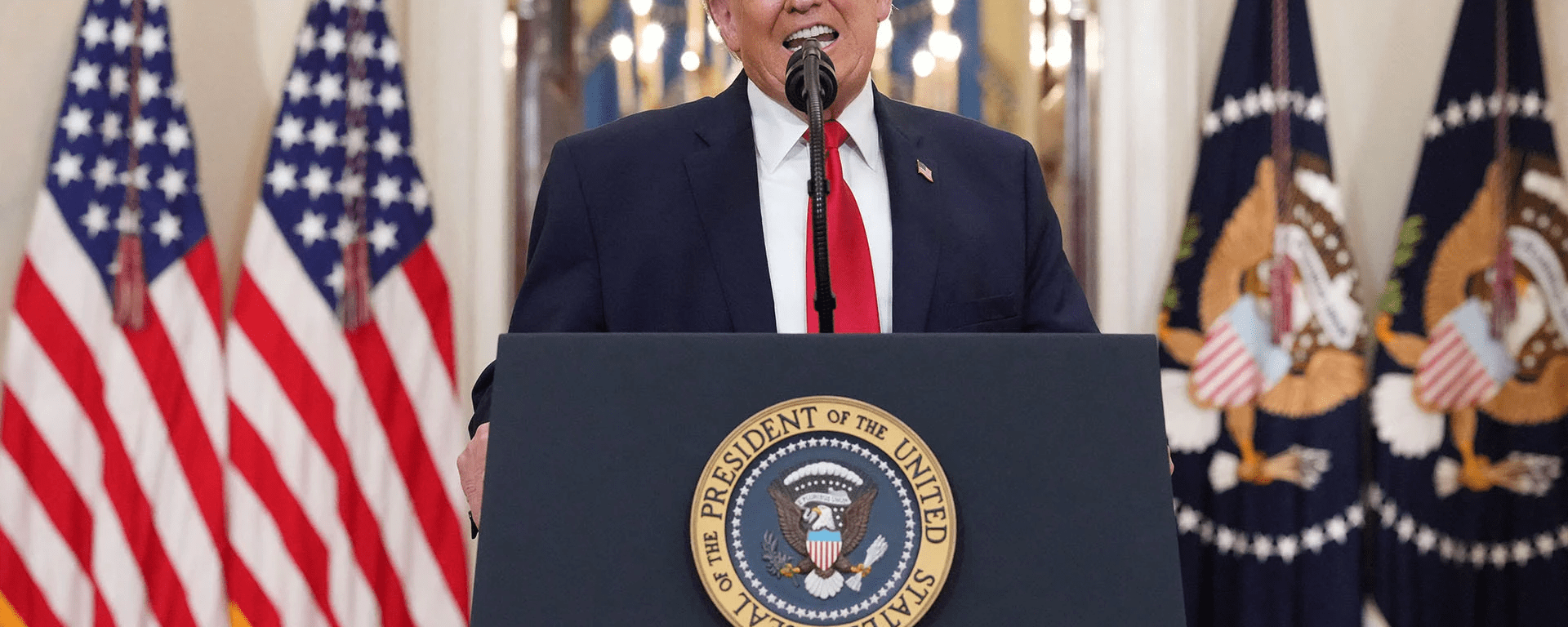
Over the past month, the United States (supported by Israel) have taken up arms against Iran. Though the causes of the conflict are disputed between citizens and government claims, President Trump claims the US launched an attack to halt Iranian nuclear weapon production, thus dismantling the Iranian military infrastructure. The overall motive of the war was to eventually host a change in power. The conflict is a result of President Trump’s dismissal of diplomatic tactics, stating that previous negotiations with the Iranian government had not made progress.
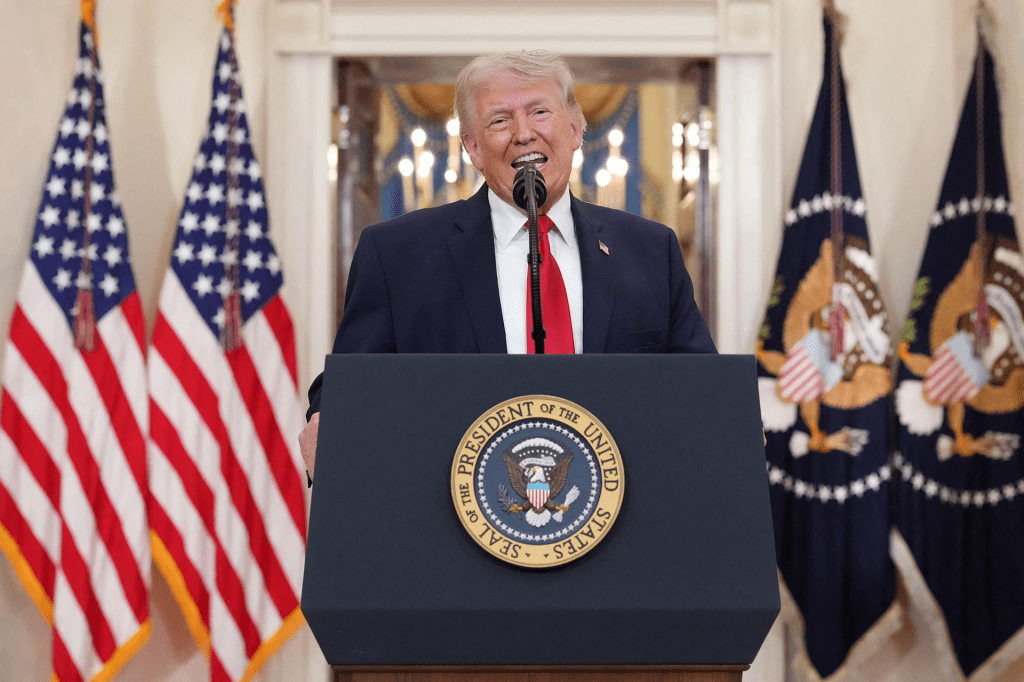
Contrary to US government claims, the conflict with Iran has secondary motives; ones more concerned with crude oil production and distribution. In the beginning stages of the conflict, President Trump claimed the attacks on Iran would be air-based, with the majority of the US involvement being the Air Force and Special Operations. However, as of late March, there is an increasing possibility of ground troops being introduced into the conflict. These troops would likely carry out President Trump’s goal of seizing Iranian power plants and oil production sites.
The US government has made repeated claims and threats towards Iran regarding oil seizures and gaining control of energy production in Iran. In response, the Iranian government has sent missiles towards oil production sites in Israel, with reports of bombings around production sites near Haifa. The effect of these oil conflicts have the potential to be detrimental to the global economy. Not only are the actual production sites in danger of bombings, the Strait of Hormuz has been blockaded for the duration of the war. The Strait is a vital pathway for oil distribution, with nearly 20% of the world’s oil traveling through it for distribution.
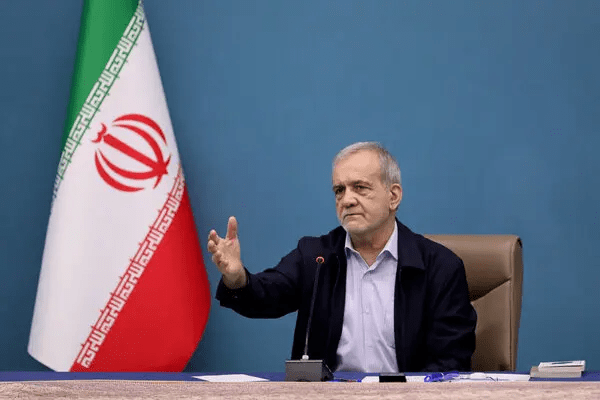
While there are issues with the distribution of oil, many large oil companies have been assured by President Trump that peace negotiations are underway, meaning oil prices should not need to continue inflating. However, the president of Iran, Masoud Pezeshkian, claims that the US government has not communicated terms of peace.
This has created a state of limbo for the oil industry. Oil companies were originally driving up the price of oil, to combat the shortage. However, with the assurances from President Trump that the conflict will soon be over, companies have halted the inflation with the idea that oil distribution will soon even out. Yet, there is no evidence that the conflict will soon reach a resolution. This means that more oil is being bought than what is in the reserves. If the conflict ends soon, the industry will be able to recover as oil is redistributed. But, if the conflict persists, we could face a global oil shortage. This would be detrimental to the global economy, and to daily life.
Without oil, there would be vast power shortages, shortages of gas for cars, planes, trains, and other modes of transportation, and many, many more impacts. Some developing countries and certain countries in Asia that import the majority of their oil from Iran, have already begun to feel these effects. Citizens of Bangladesh and Pakistan have even reported schools closing due to power outages, and shortages/rationing of fuel. These effects are also felt to a lesser extent in the US and many other countries, as gas prices have risen more than a dollar per gallon since the start of the conflict. Gas prices have even begun to affect the McCaskey student population. Junior Ruby Proud says, “I haven’t been able to afford a full tank of gas for my car since the prices have gone up.” These prices limit transportation for our students and staff alike.
Unfortunately, there is no end in sight for the war. There seems to be a miscommunication between President Trump and President Pezeshkian, as one party is under the impression that peace negotiations are underway and the other believes the opposite. This proves to be an issue, as President Trump has significant influence over the US economy, the current conflict with Iran, and its relationship to the oncoming oil crisis. It seems as though the conflict has gotten out of hand, as both parties are escalating military action.
When asked about the US/Iran conflict, McCaskey teacher Mr. White says that war is a “chaos machine.” He elaborates by saying, “War, especially when considering the history of US involvement in it, is hard to control. We have a habit of getting in over our heads, and taking on more than we can handle.” Mr. White says that this is what’s happening with the current conflict with Iran. The US government believed it could handle another conflict, and play the hero to the Iranian people. However, the conflict has been twisted into more. The US government is now trying to handle a conflict with Iran and handle a potential, global oil crisis.” If the conflict with Iran is not resolved as soon as possible, there could be catastrophic results.
 Vidette