
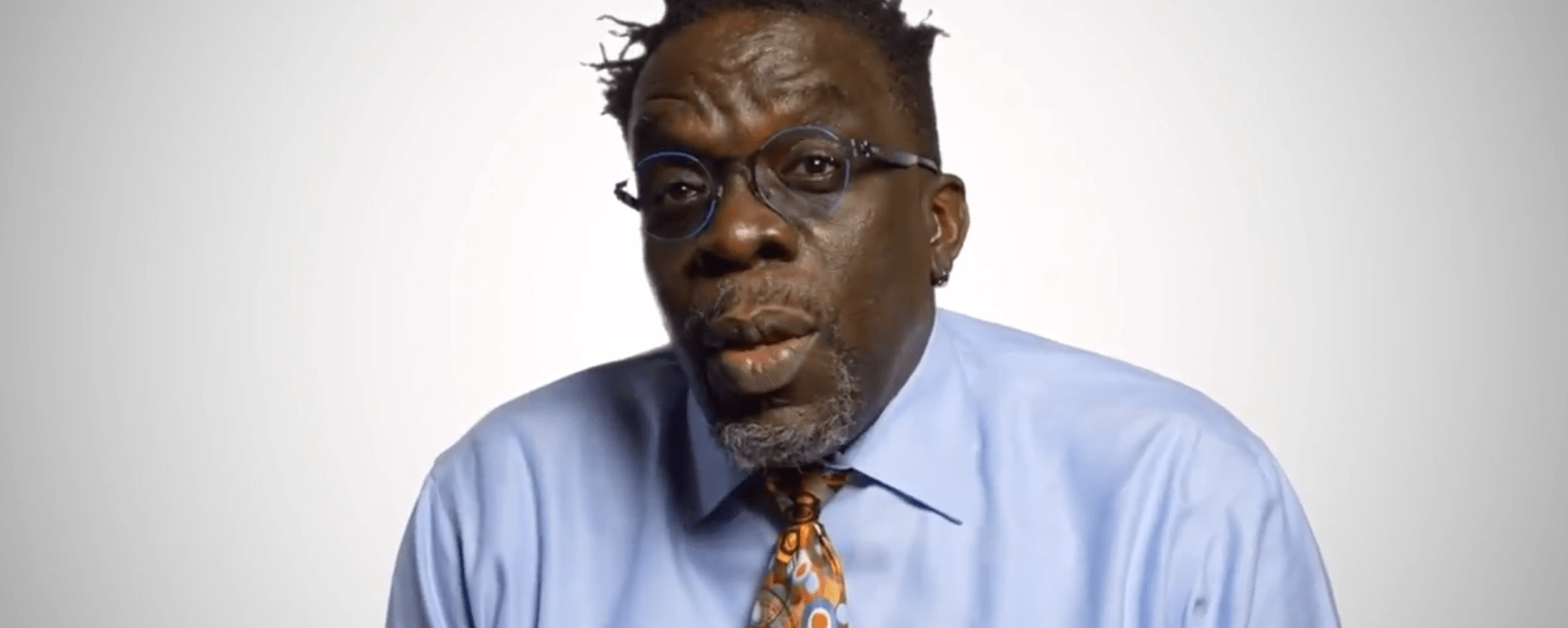
Image credit: Tim Mercandetti
As a student who tries to steer clear of the school administrators, my original feelings on interviewing one were somewhat mixed. The constant negative mindset I wrap myself in when arriving at school every day is not unique to Wyatt Potter, as much as I wish that were the case. It’s much easier to present yourself as an uncaring enigma than to actually ask yourself if you ever need assistance or not, and this is especially true in your high school years, at least in my experience. But given the chance to talk to Mr. Hanson, I realized that I (and many other students) often miss out on the positive mindset and help that school administrators (Mr. Hanson in particular), can offer. For the basic nature of the questions I asked Mr. Hanson, he gave extremely well thought out and intelligent answers, with incredible patience. The patience part is important to mention, as he was dealing with three other disgruntled students in between talking to me.
Mr. Hanson explained parts of his youth to me, and how he knew he wanted to be a teacher before he was even 10 years old. He’s no stranger to the School District of Lancaster either, as he’s worked positions at Lincoln and Hamilton schools as well. He also told me that the thing he values most about the students at McCaskey is that “even on their worst days, there’s a visible light of potential.” He also mentioned that “kindness is a choice” every individual has the choice to make, and that students should always consider this. This is normally the type of thing I would roll my eyes at, but I really took it to heart this time. For the first time, I felt like I was genuinely listening to the guiding words of a school counselor.
Mr. Hanson also talked more about his early experiences with teaching, when he was as young as 17 years old. He spoke of his time spent in Cuba, teaching high school students when he was only a few years older than some of them. He informed me that the most important lesson he learned during his time spent there is that people are people, regardless of regime. Certainly an important thing to keep in mind, given the political climate of most developing countries. He also told me of an encounter with a former student he had, who came to see him at a funeral decades after she was his student. He spoke about how experiences like that one are what make teaching worthwhile.
It’s incredibly reassuring to know the joy that many teachers and administrators have while doing their job, because a common struggle can be assumed between faculty and students alike. Talking to Mr. Hanson confirmed this for me. Even right before retirement, it shows that he cares about the lives of students. Not just the lives, but the happenings. It’s difficult to put into words (although that’s my job) how enjoyable my conversation with Mr. Hanson was. He had many intriguing answers to all of my relatively basic questions and went at length to expand upon just the small context of a question like “what is the thing you value most about our school?”.
My conversation with Mr. Hanson made me consider how I present myself at school, and my mindset for approaching not only schoolwork, but becoming a well-read learner. It seems Mr. Hanson has pondered this a lot too, as the books visible on his shelf seem as complex and layered as he is, with much wisdom to offer to the younger generation. And as I mentioned earlier, his words are worth listening to, even if authority figures at public schools aren’t really your thing.

