
By: Eleni King Martin
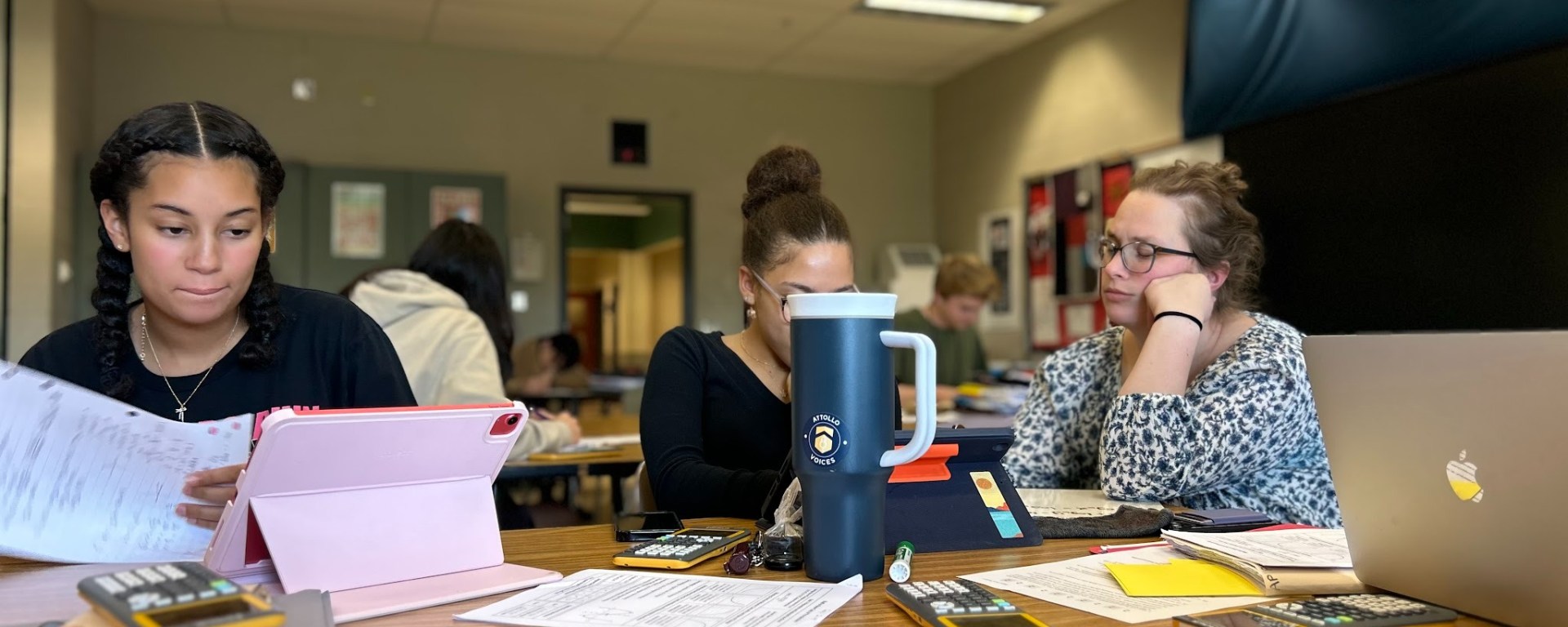
As the sun comes out, and the flowers peek through the ground, the school year has gradually drawn to its inevitable end. With this, exam season arrives. At the end of every school year, students are challenged with Keystone, Advanced Placement (AP), and International Baccalaureate (IB) testing. These tests are a cumulative examination of what students have learned and worked hard for all year. However, the stress induced by these exams is something that needs to be addressed. Oftentimes, both students and teachers feel a sense of burnout towards the end of the school year. Giving your all for an entire nine months becomes tiring and overwhelming. This often causes students to feel stressed about their exams, which then fosters a sense of longing for summer break. So, how are McCaskey’s students coping with the stress of exam season?
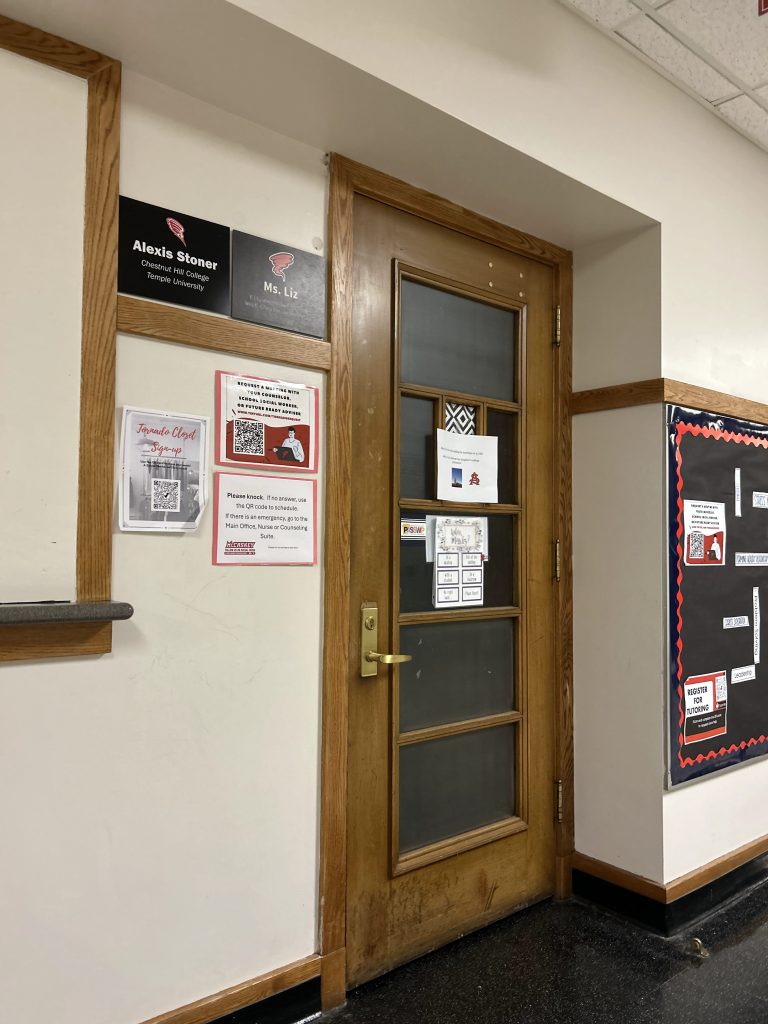
To start, the causes of this stress needs to be further examined. One of the major causes is the pressure that is put on students to do well, specifically in getting high marks and good grades. Junior Pippa Sauder argues, “So much pressure is put on us that getting an A plus on every assignment and test is the most important thing, but there’s so much more to the world than grades.” Much of the time, students feel pressure to perform well on these exams. This pressure can come from both teachers and parents, and has proven to be a root cause of stress. McCaskey Social Worker and Counselor Ms. Liz would agree. She says, “Students stress for various reasons at different times of year, but spring is always the worst. For some students, it’s the culminating projects or testing and for others, it’s a scramble to improve their grades.”
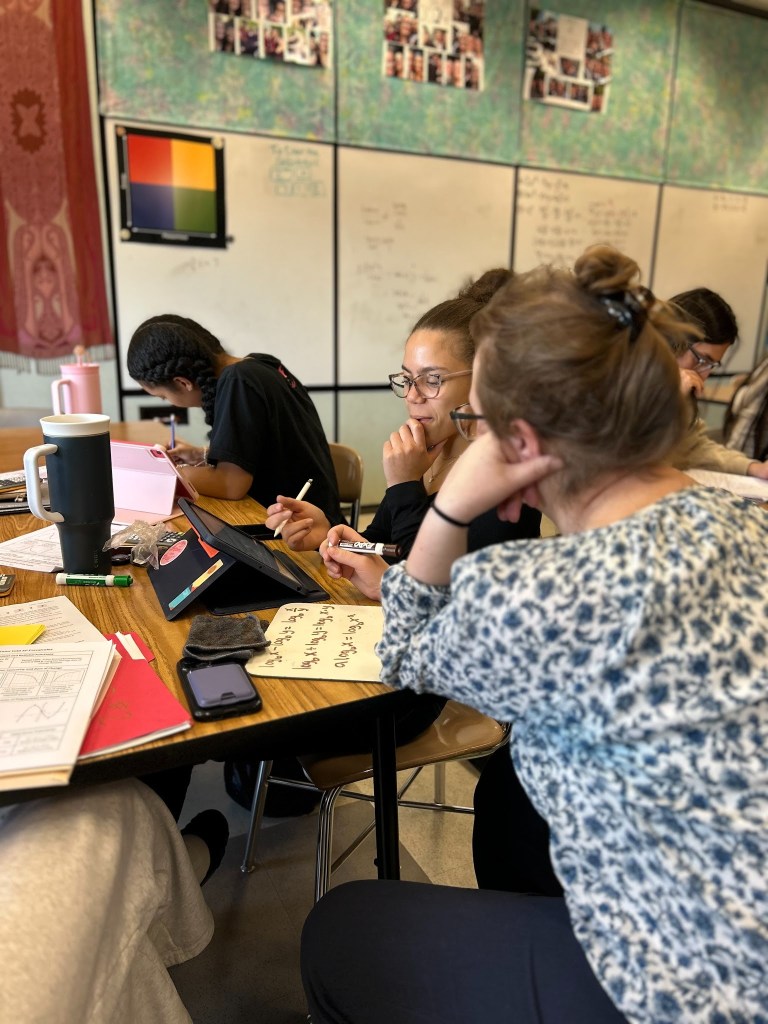
In addition, many students feel they don’t have enough time to study for these exams. McCaskey Algebra and Pre-Calculus Teacher, Mrs. Guzman would elaborate. She states, “Students have a tendency to fixate on the exam that happens first and since there’s not a lot of time between exams, they don’t have as much time to study for subsequent exams.” A lot of students tend to utilize “cram” studying, instead of long-term studying. Long-term studying is more effective in accurately remembering information and having lasting comprehension. It is recommended for students to study for at least thirty minutes, every day about a month (or more) away from the exam.
However, many students feel that they don’t have enough time to study. Imagine a student who is enrolled in McCaskey’s IB diploma program. These students are taking a full schedule of classes with end-of-year exams. If they studied for thirty minutes every day, for each of these subjects, they would spend over four hours studying every single day. Now imagine the same student who is still learning in each of these classes and still receives homework from each of these classes everyday. On top of all this, the student is involved in extracurricular activities and works a part-time job.
This student would be spending seven hours at school, a minimum of four hours studying for exams, likely at least an hour of current-curriculum homework everyday, extracurricular activities for at least an hour after school, and a work shift three to four days a week. That’s an average of a 15 hour day, if not more. That only leaves nine hours in the day to get ready for school in the mornings and get ready for bed at night, eat meals, spend time with friends or family, and get the recommended eight to ten hours of sleep (to function properly).
Junior Ruby Proud puts it perfectly, “I’m involved in extracurricular activities like indoor drumline, where we have practice twice a week for three and a half hours. I also work four days a week at my job. I’m exhausted when I come home from school, and even more after I finish my homework. I don’t have the mental energy to study after all that.” Many students are in the exact same situation as Ruby. This is why so many students resort to “cram” studying, or even not studying at all. This only heightens the stress they’re feeling about exams, and increases the pressure to do well.
The combination of this pressure to do well in school, along with the burnout of being overworked and sleep-deprived, creates the ideal environment for stress to form. Many students feel stuck in the slump of stress and burnout, and feel there is no way to get themselves out of it and back on track. Although this often feels the case, students have many resources available to help them here at McCaskey. One of them is to meet with the school’s social workers or counselors, like Ms. Liz. When asked about how she helps to alleviate the stress her students are feeling, she says, “First and foremost, I listen. Often, students need to vent and problem solve on their own. It’s helpful to have a safe adult who simply walks them through the problem solving process.”
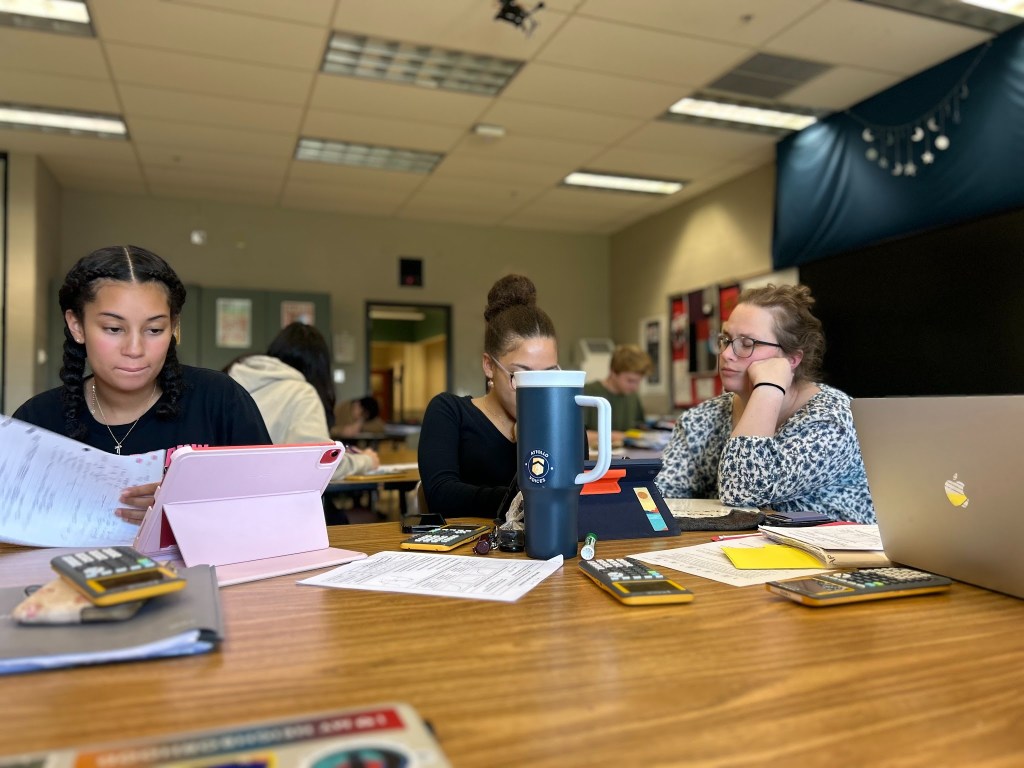
Additionally, there are several staff members and teachers who oversee AP and IB classes that offer after-school tutoring sessions. These sessions are often held for an hour or two after the school day ends, and it can be a place to receive one-on-one help from teachers. Students can get help for specific problems or lessons that they didn’t quite understand. Although this does not seem like a huge help, it can actually be monumental for students struggling with productivity. Oftentimes, students struggle to stay motivated with school work because they don’t understand the content of their classes. When students are given the ability to fully grasp a given topic, it can motivate them to do well on an exam.
Mrs. Guzman is a perfect example of this. She hosts after school studying sessions that allows her students to receive extra help. When asked about how these study sessions help her students stay on track, she says, “It’s easy to go home from school and push off studying. Having a designated space and time at the end of the school day is my way to combat the procrastination cycle.” Mrs. Guzman’s study sessions are often centered around the students’ needs. The students are offered an array of lessons based on their course curriculum, and the exam they’re studying for.
As Ms. Liz puts it, “One caring adult can change a student’s entire life.” When students are able to hone their stress in a healthy way, then make a plan to move past it, that’s a recipe for success. Although the stress of exam season is beginning to culminate, there are so many resources for students to receive help and support from their teachers and even their peers. Though it is easier said than done, staying ahead of work is the best way to stay stress-free. That is why, next time you feel stressed about schoolwork or preparing for exams, take a deep breath and talk to someone about it. Whether this be a teacher, a parent, or a peer, make a plan to get back on track, and utilize all the resources available to you.

